DGI led IGP Decaux's team to:

Align on what should be the next steps

Identify business opportunities leveraging new technologies

Use a new approach based on Design Thinking methodologies
The Method
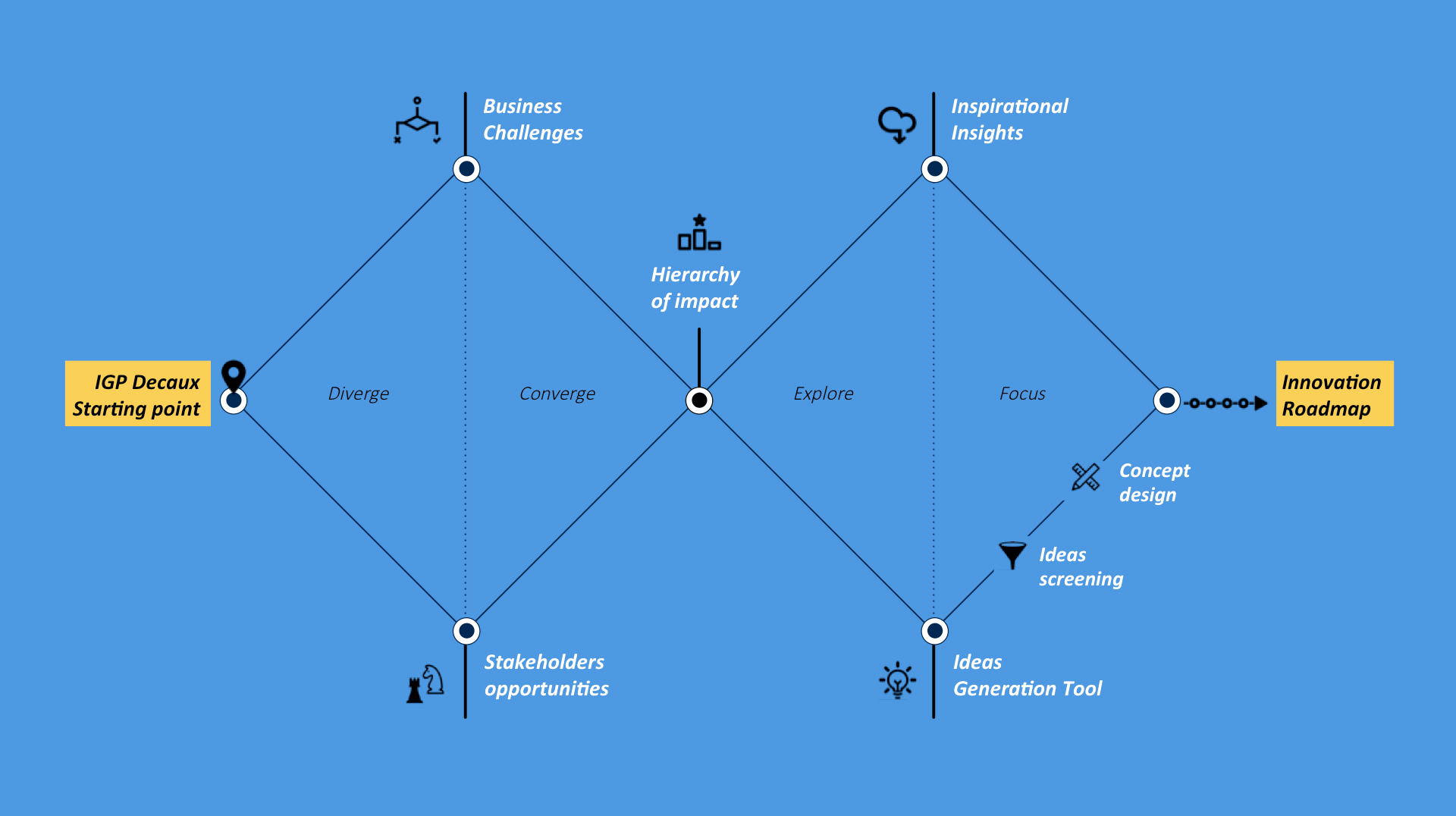
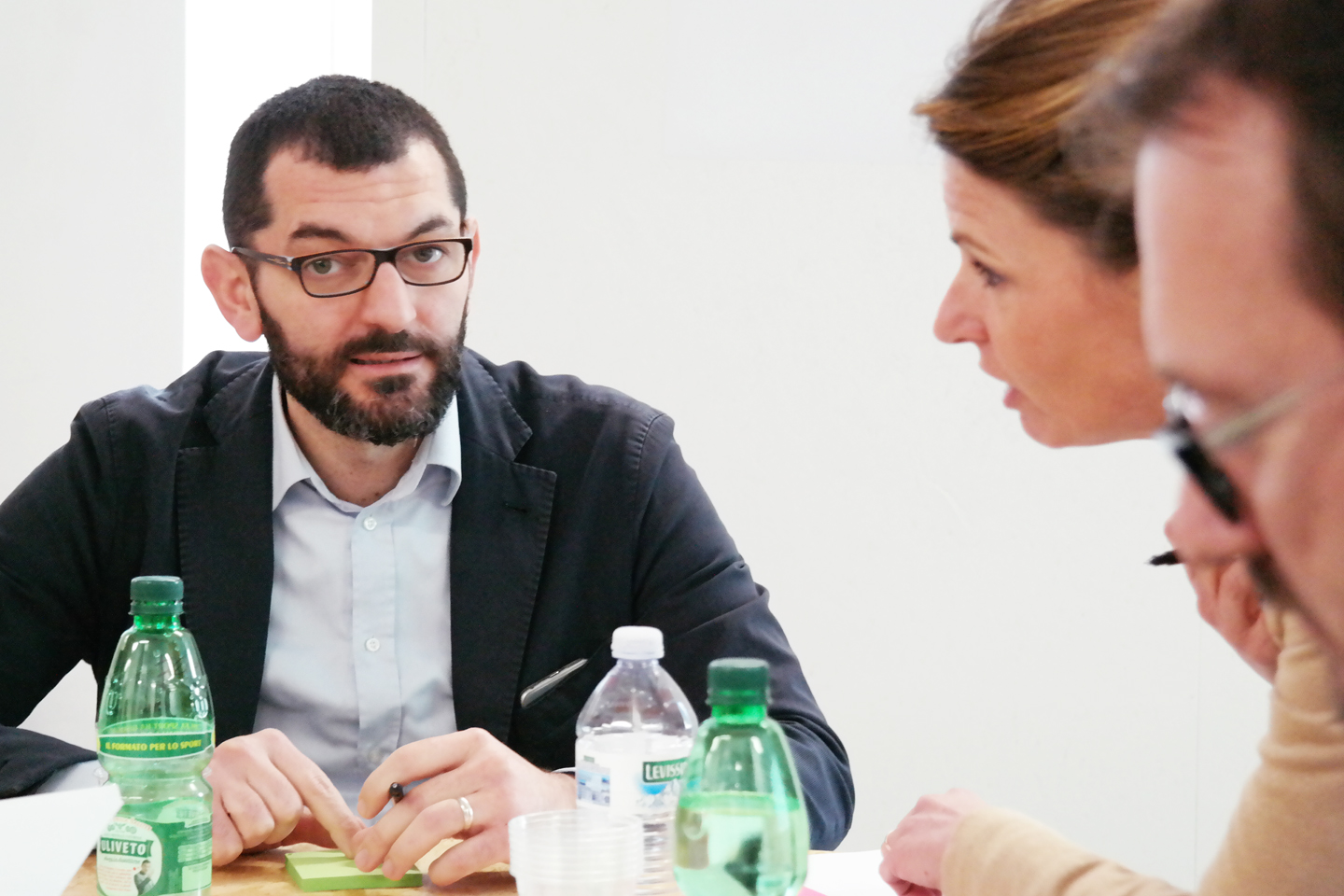
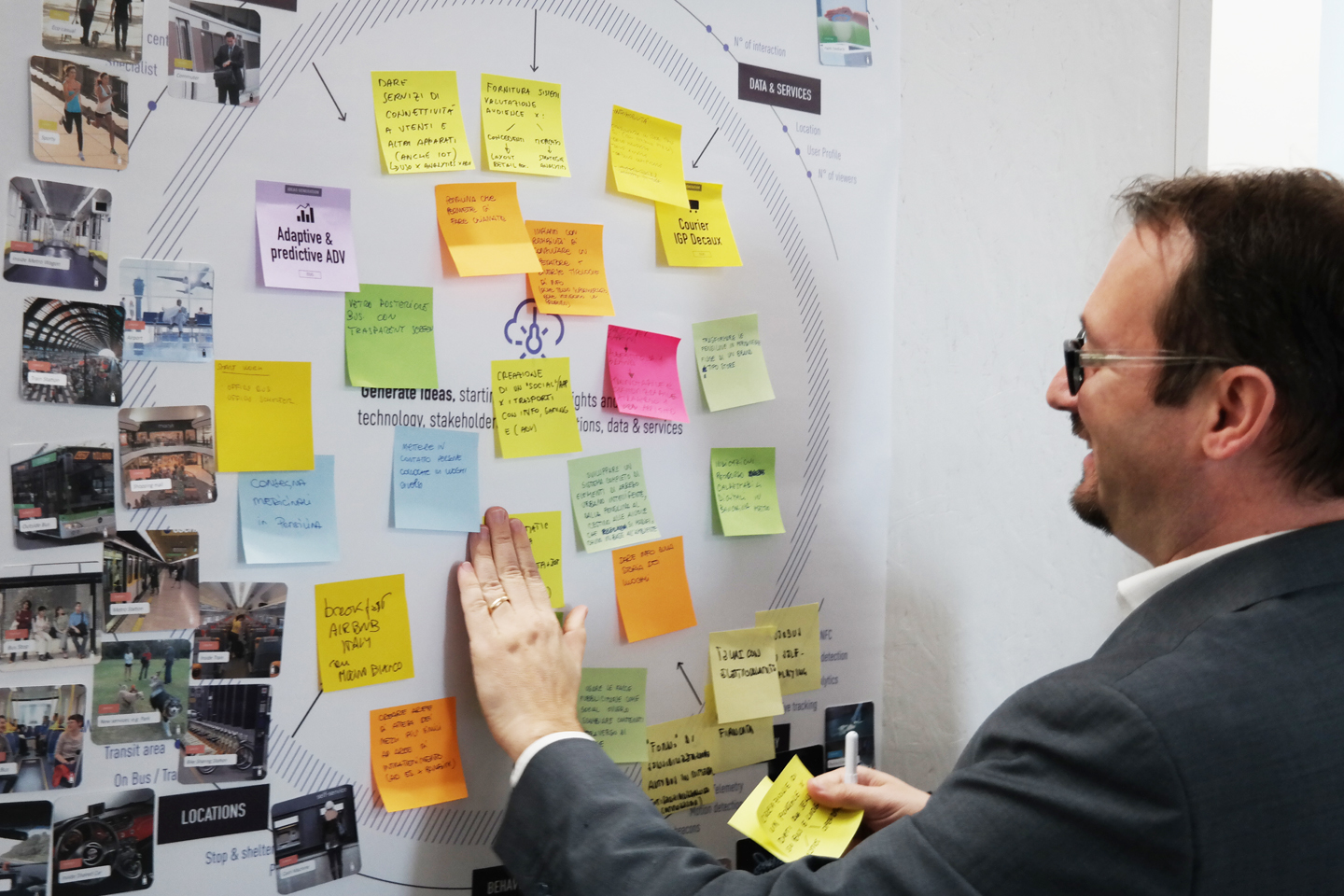
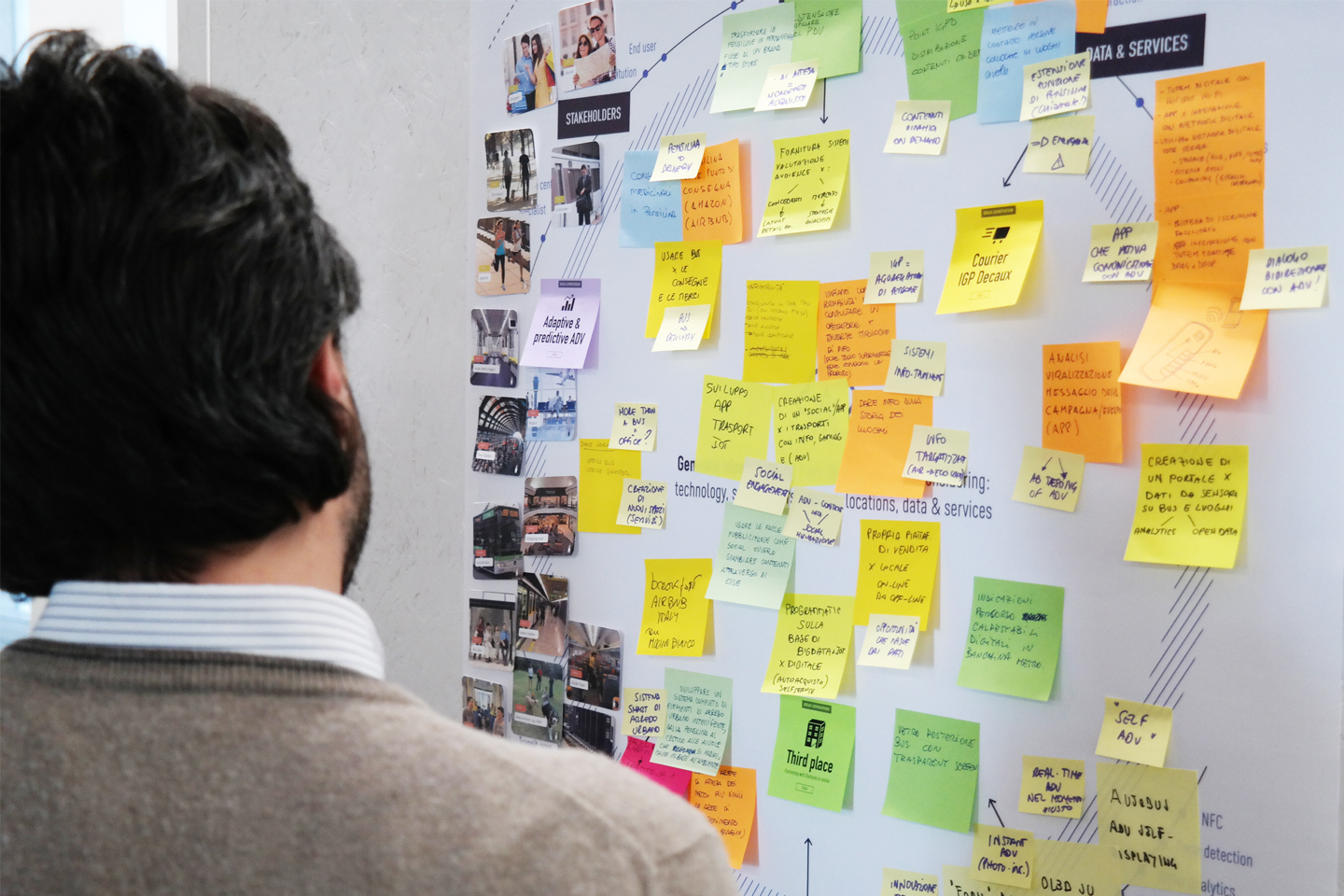
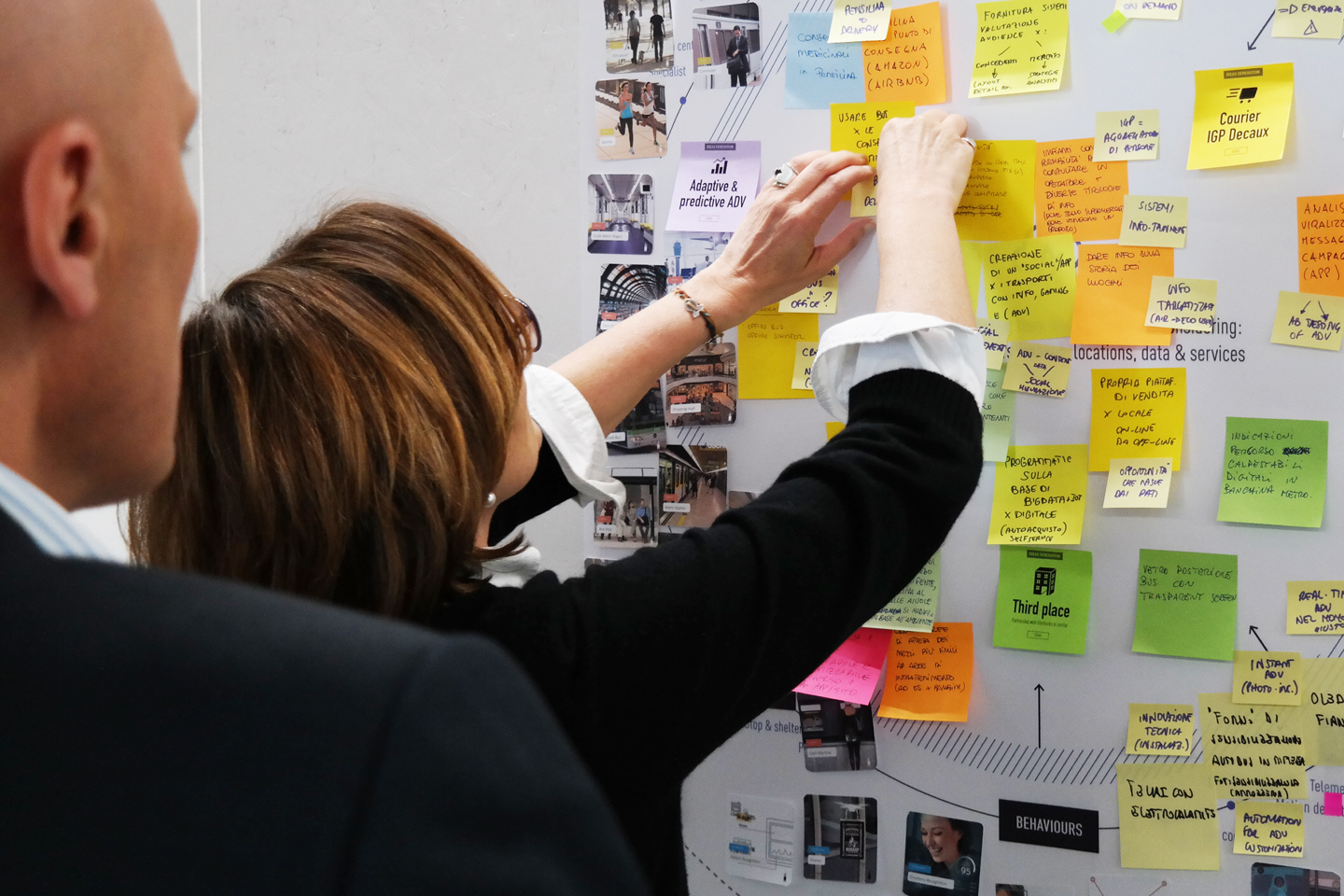
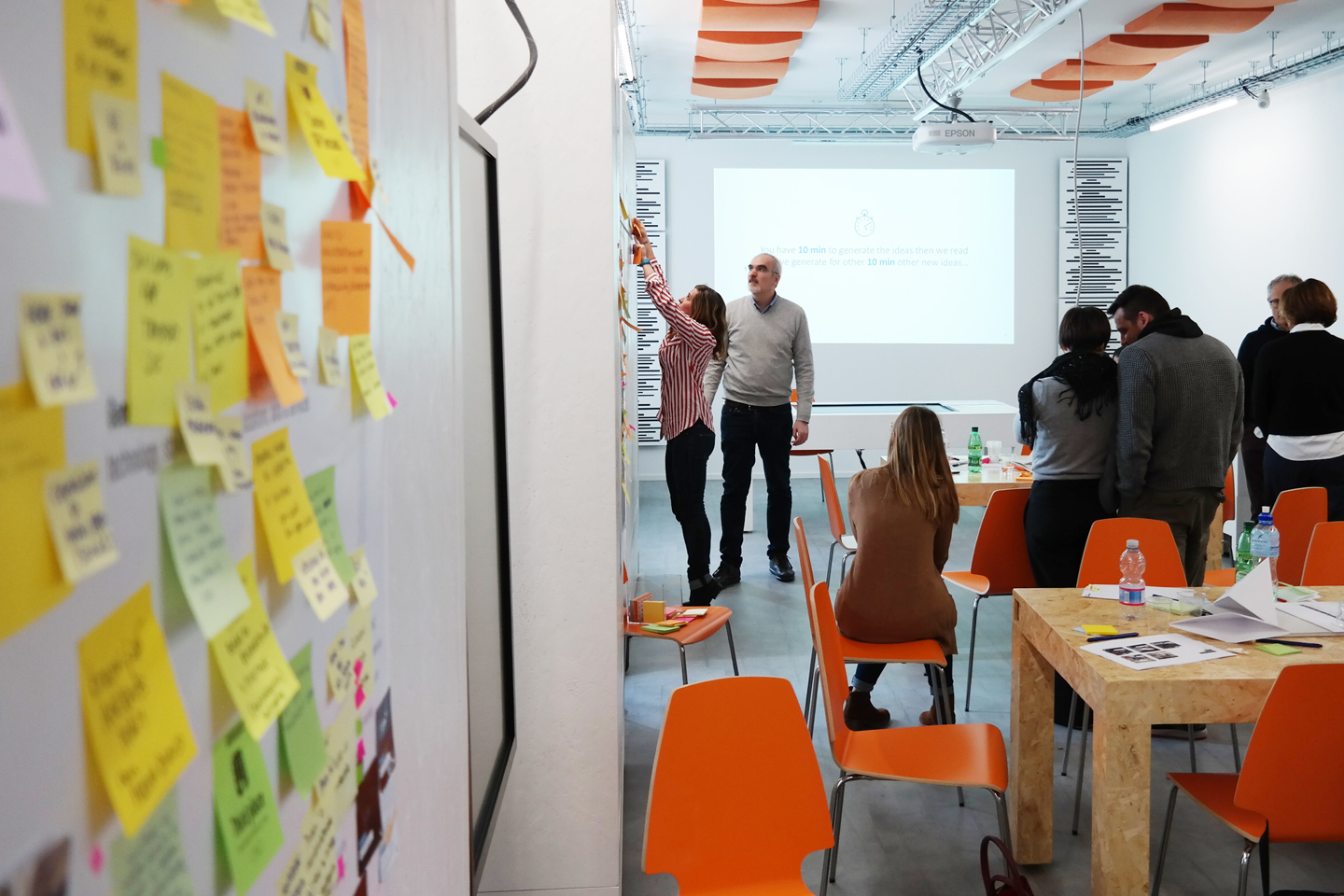
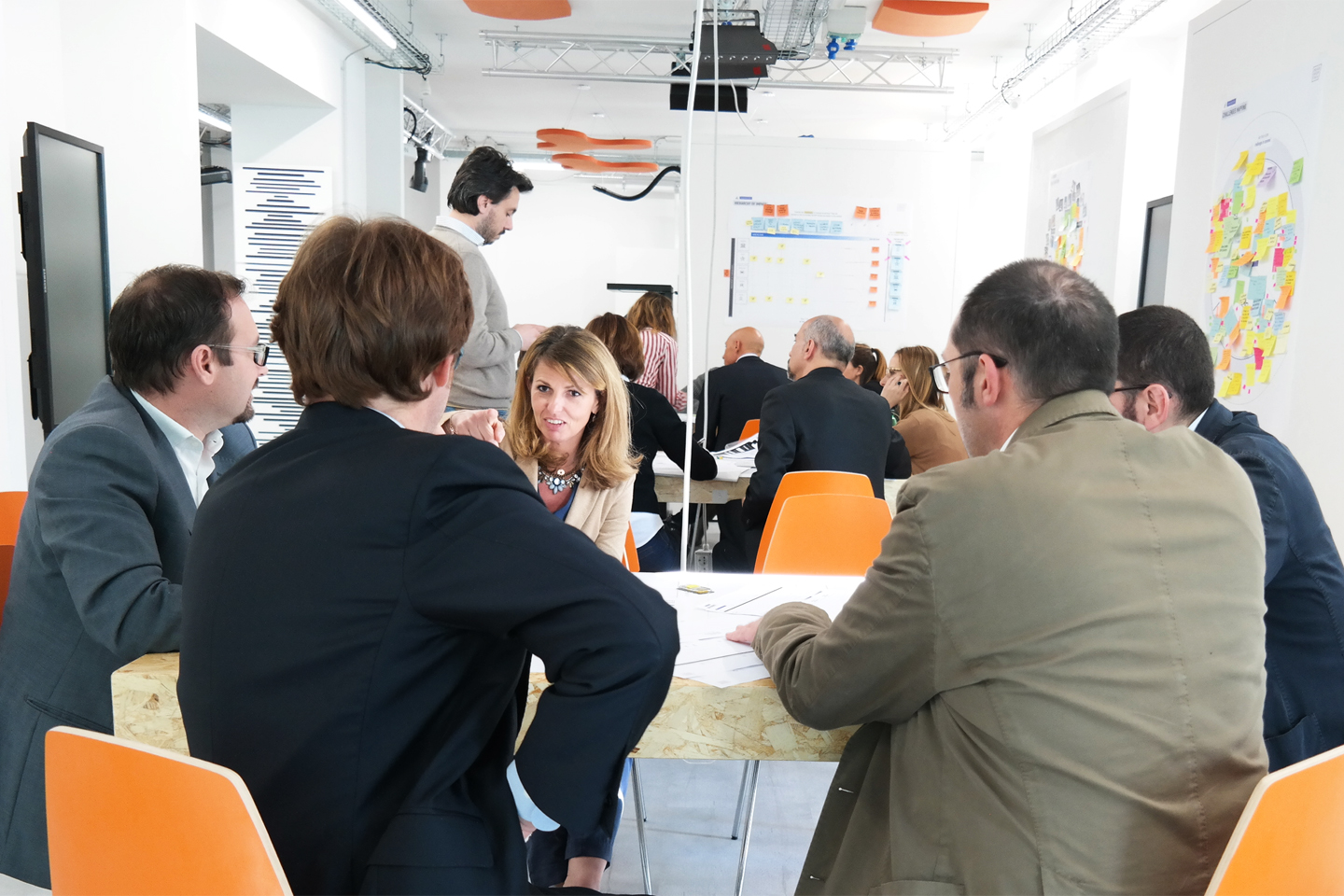
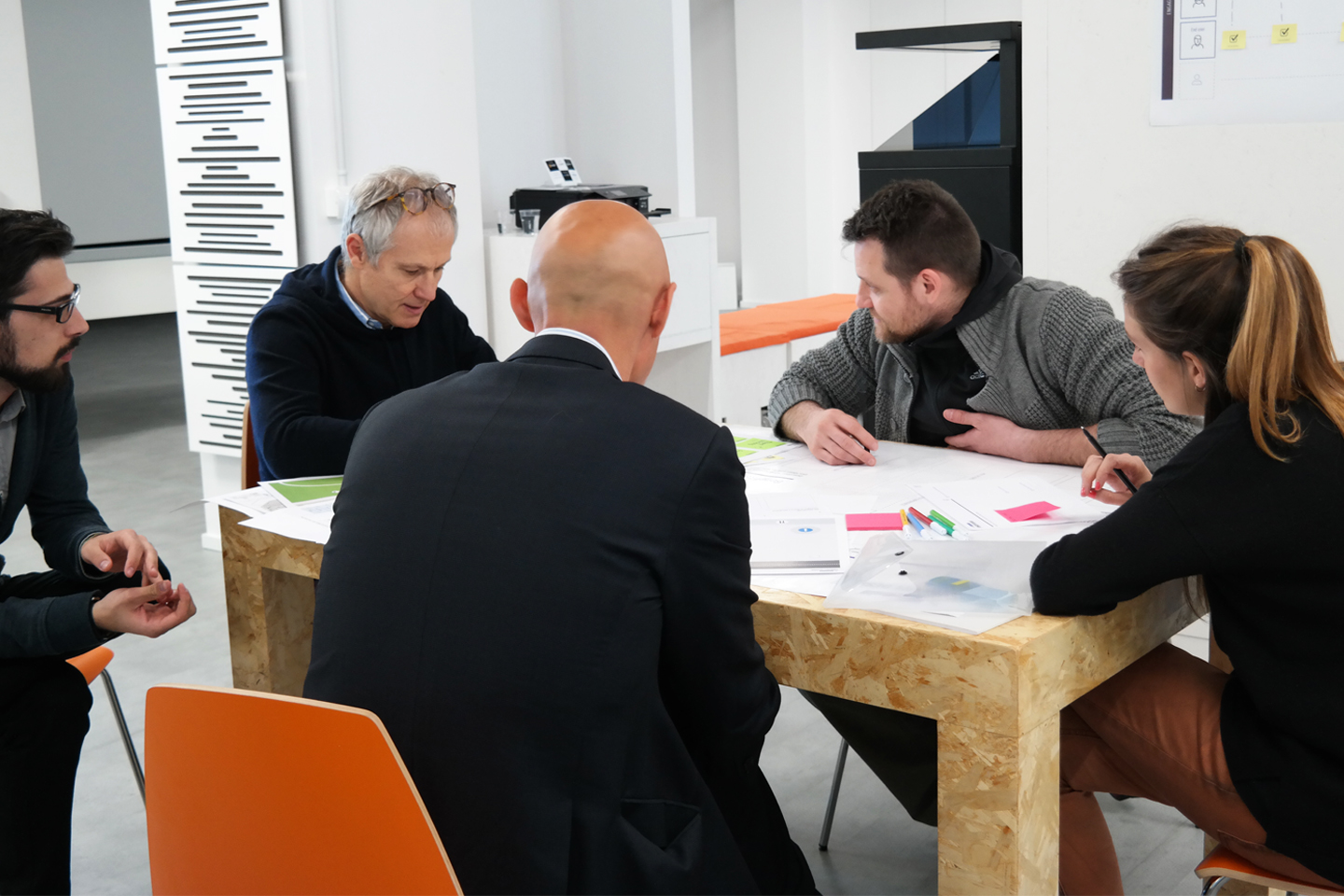
We used a user-centered approach based on Design Thinking methodology. We explored the Business challenges and Stakeholders opportunities and we made a Challenges’ hierarchy. Then we generated ideas, screened the best ones, which we used to further deisgn concepts and define their possible impact.
Moments
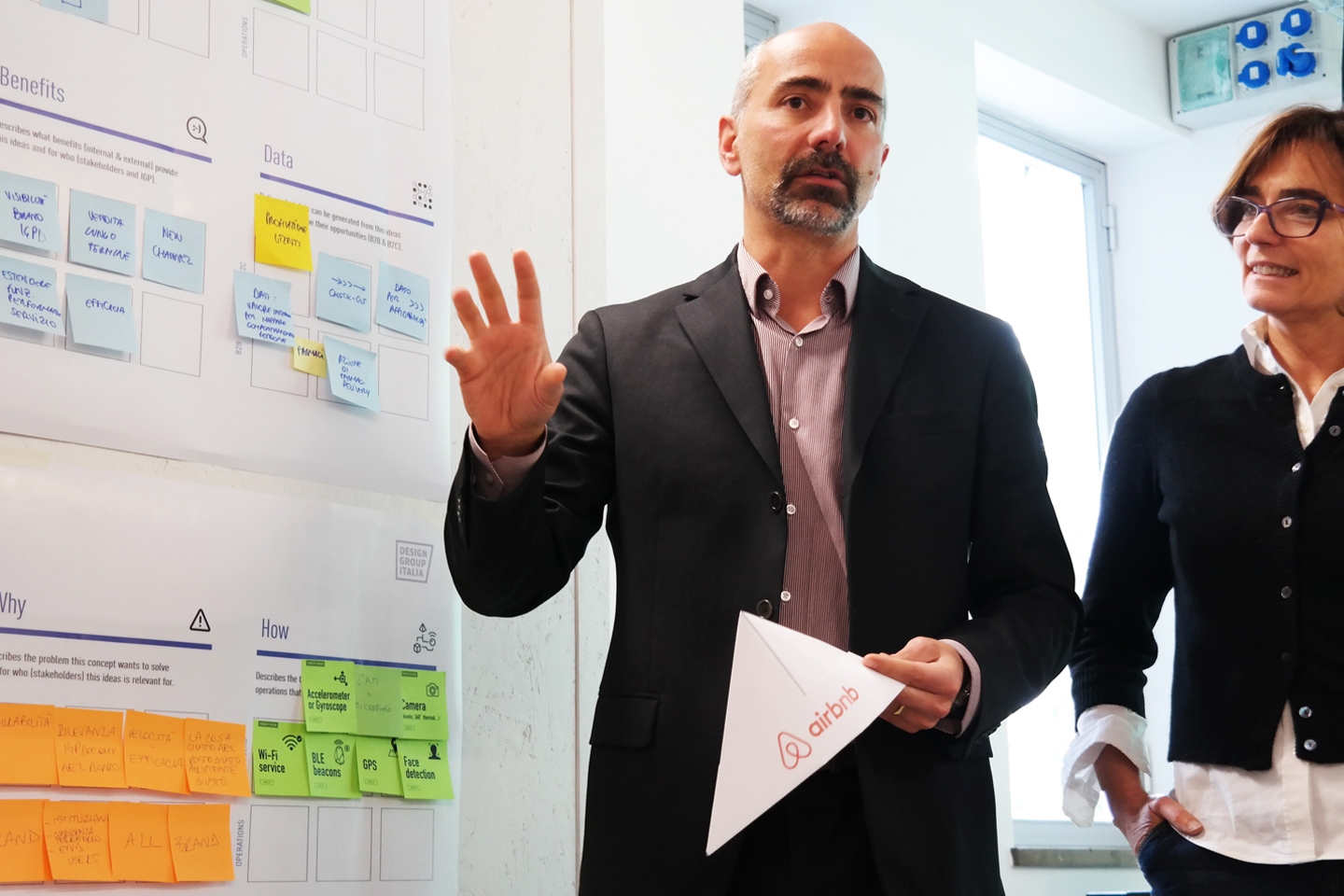
Using design techniques and tools to explore, identify and co-create new future scenarios where IGPDecaux can launch innvoative and new digital products and services.
513
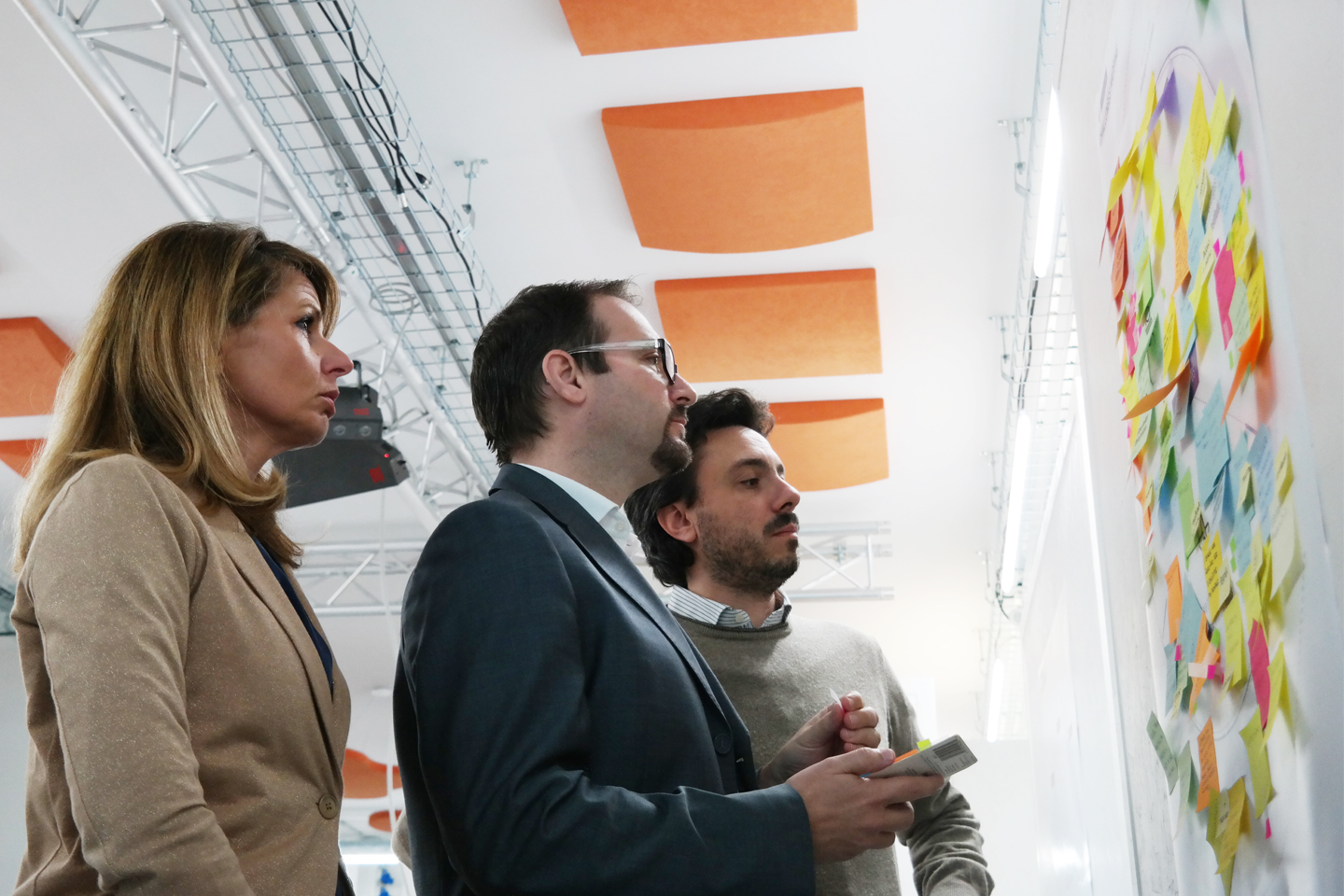
Post-its
50+
Cups of Coffee
15
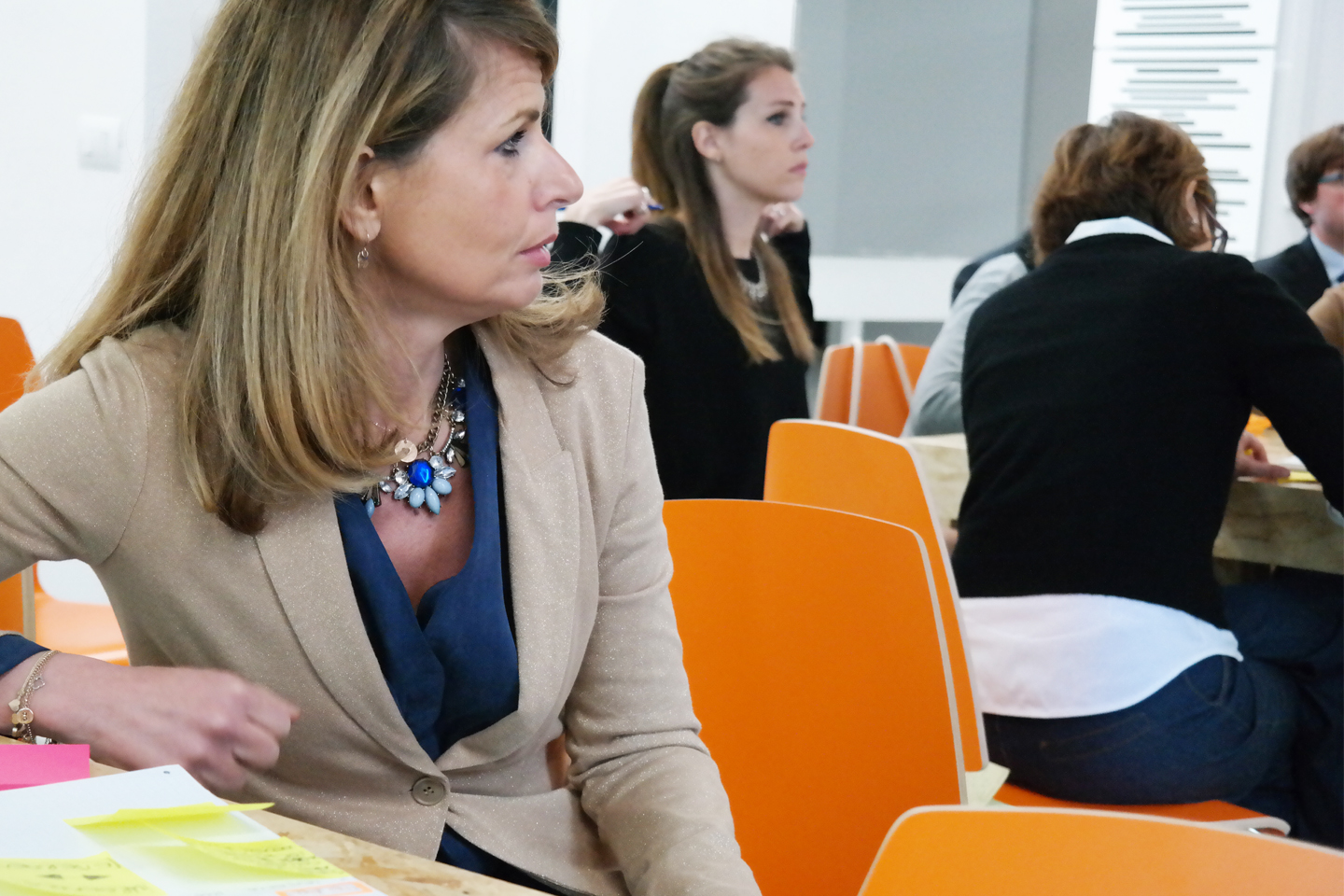
Participants
5
Tools
Design Toolkit
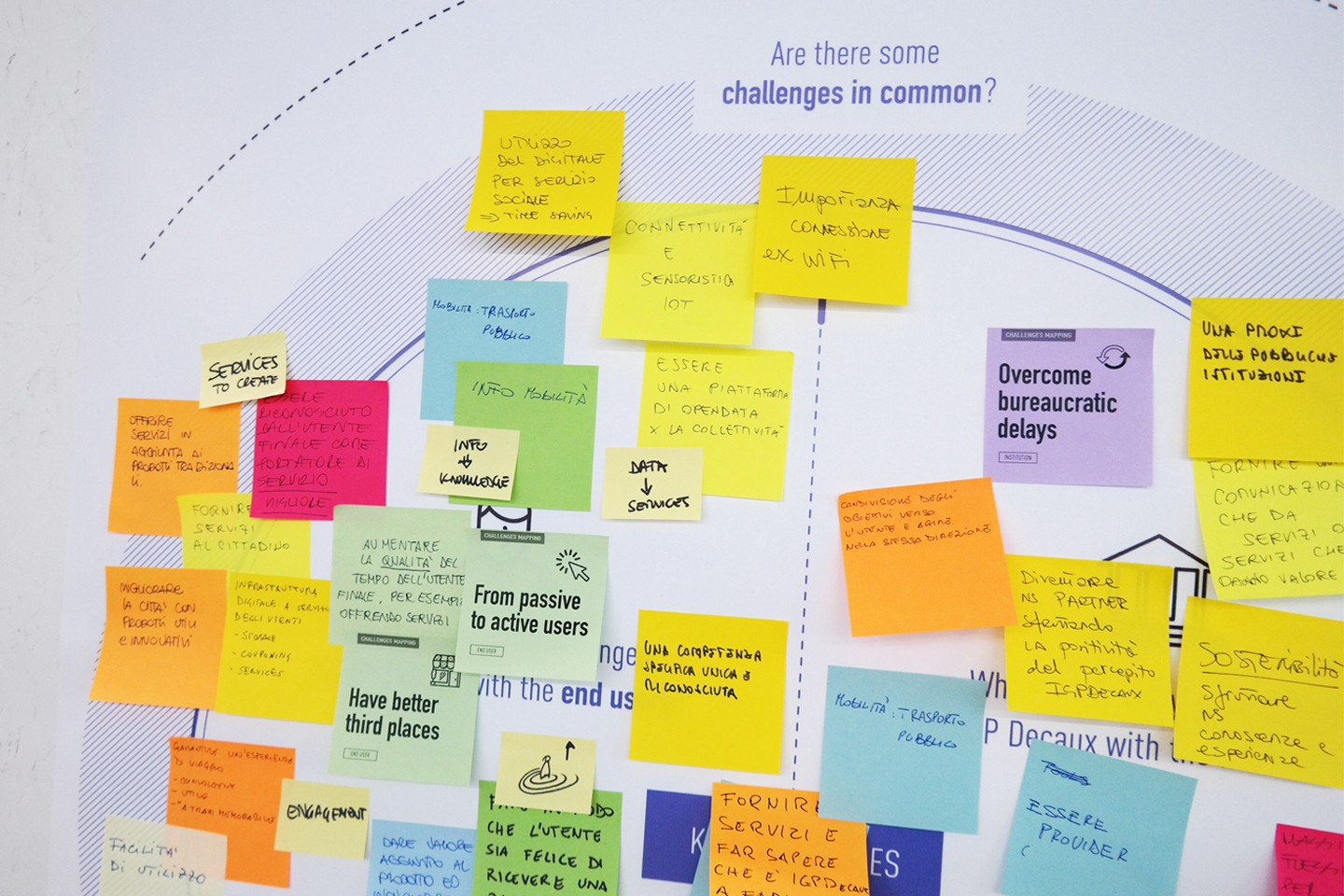
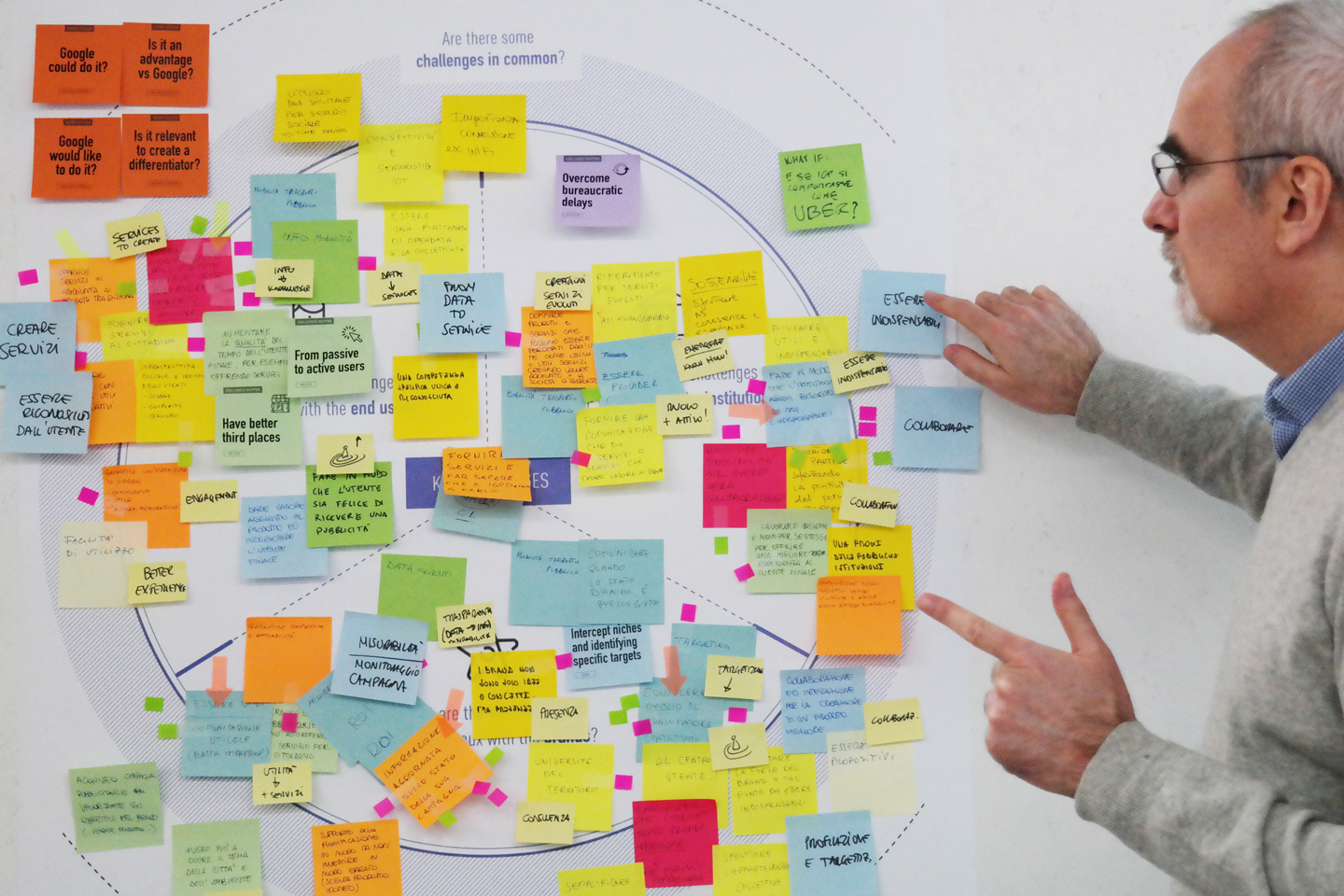
#1 Challenge Mapping
This tool aims to map the key challenges for IGPDecaux: end users, institutions and brands.
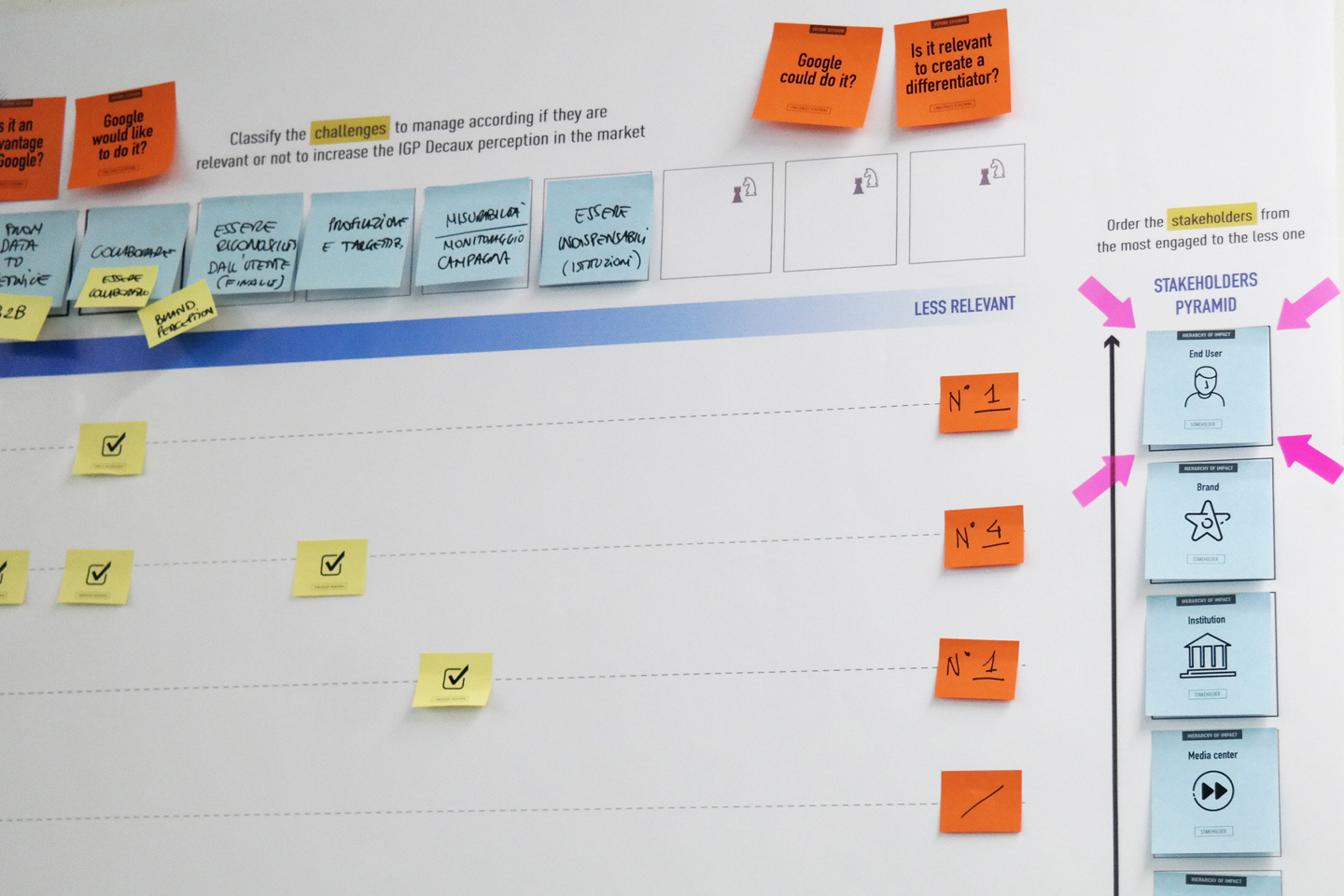
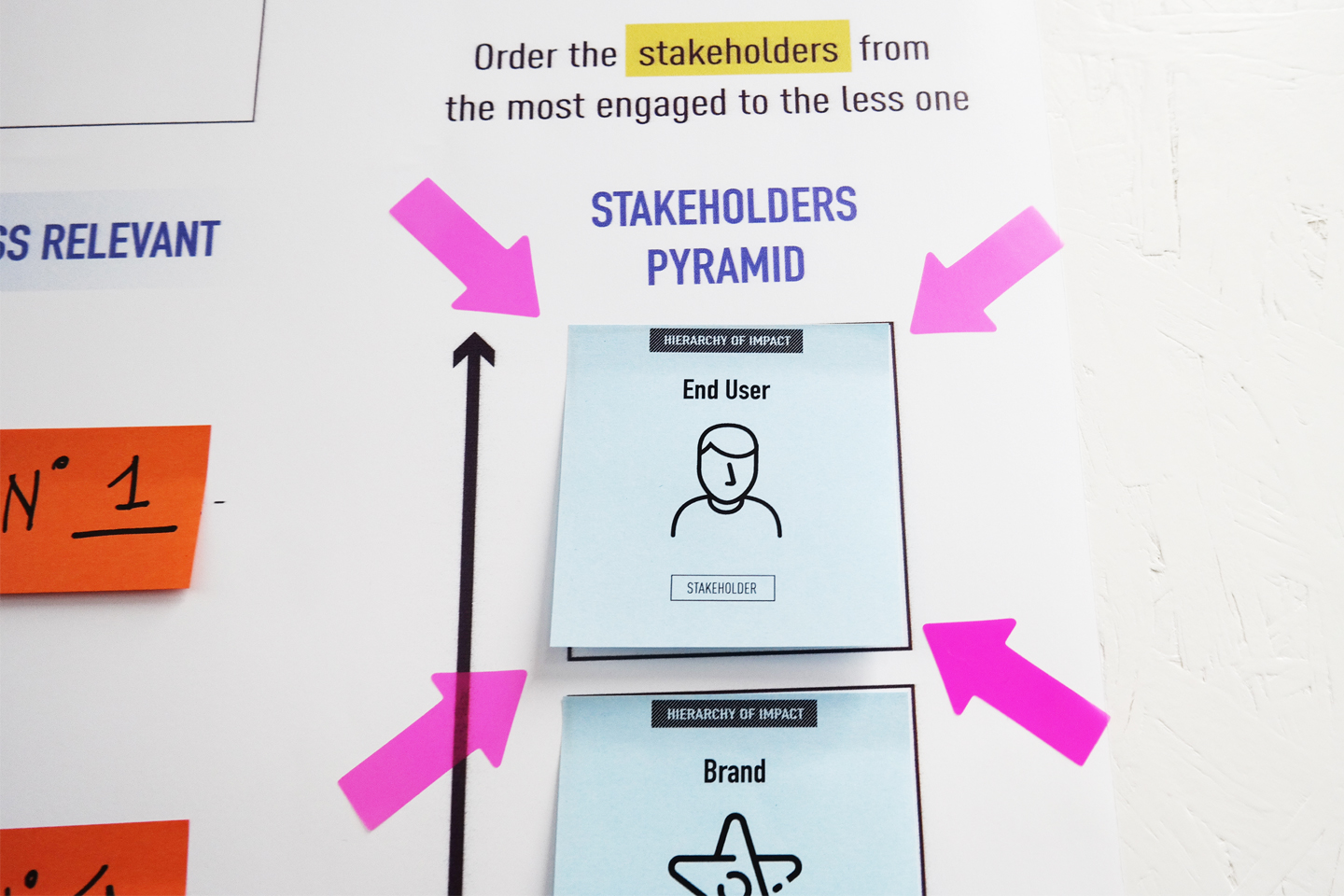
#2 Hierarchy of impact
The tool’s objective is to classify the challenges according to their ability to increase the IGPDecaux brand awareness in the market. Then, map the index of engagement for each stakeholder.
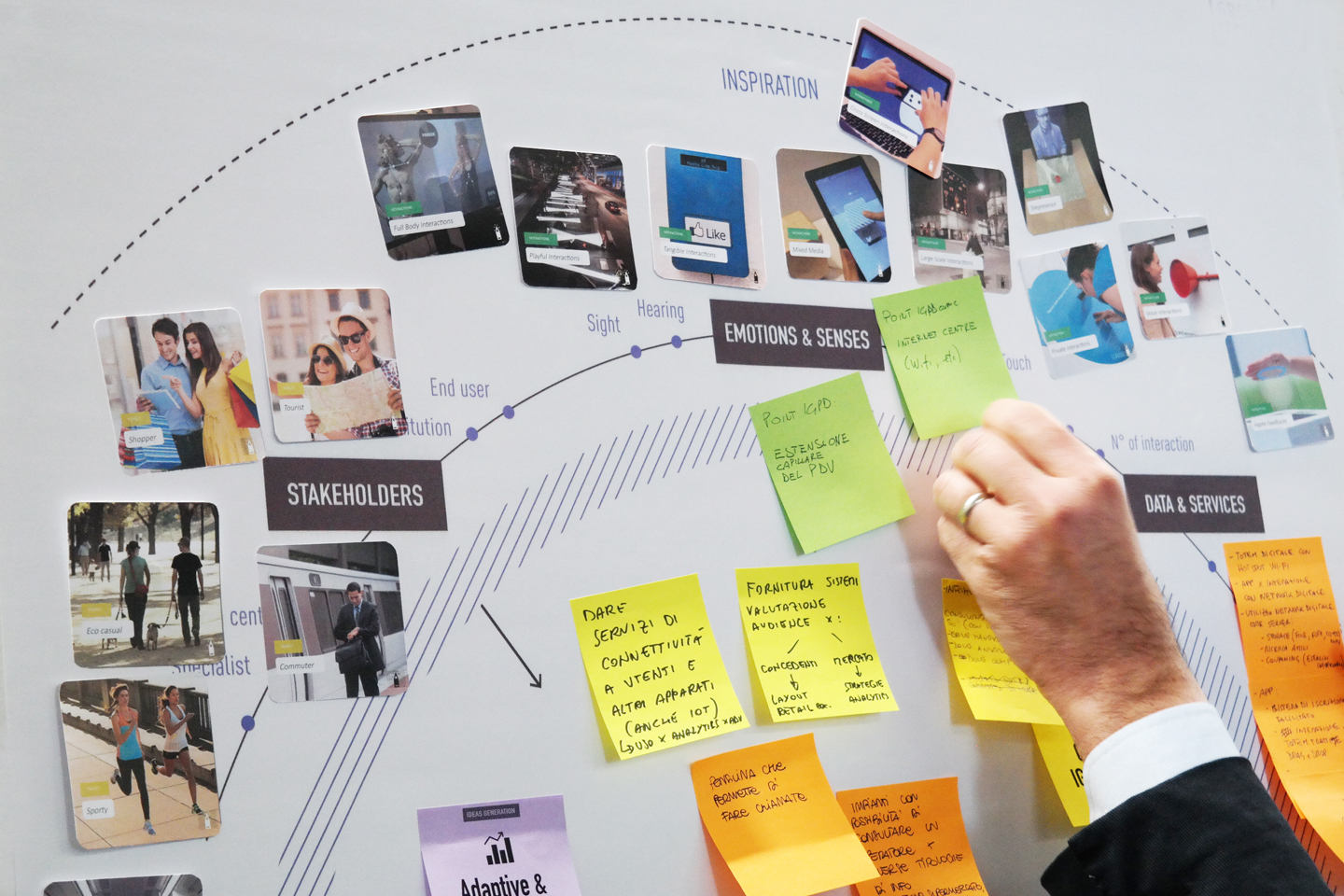
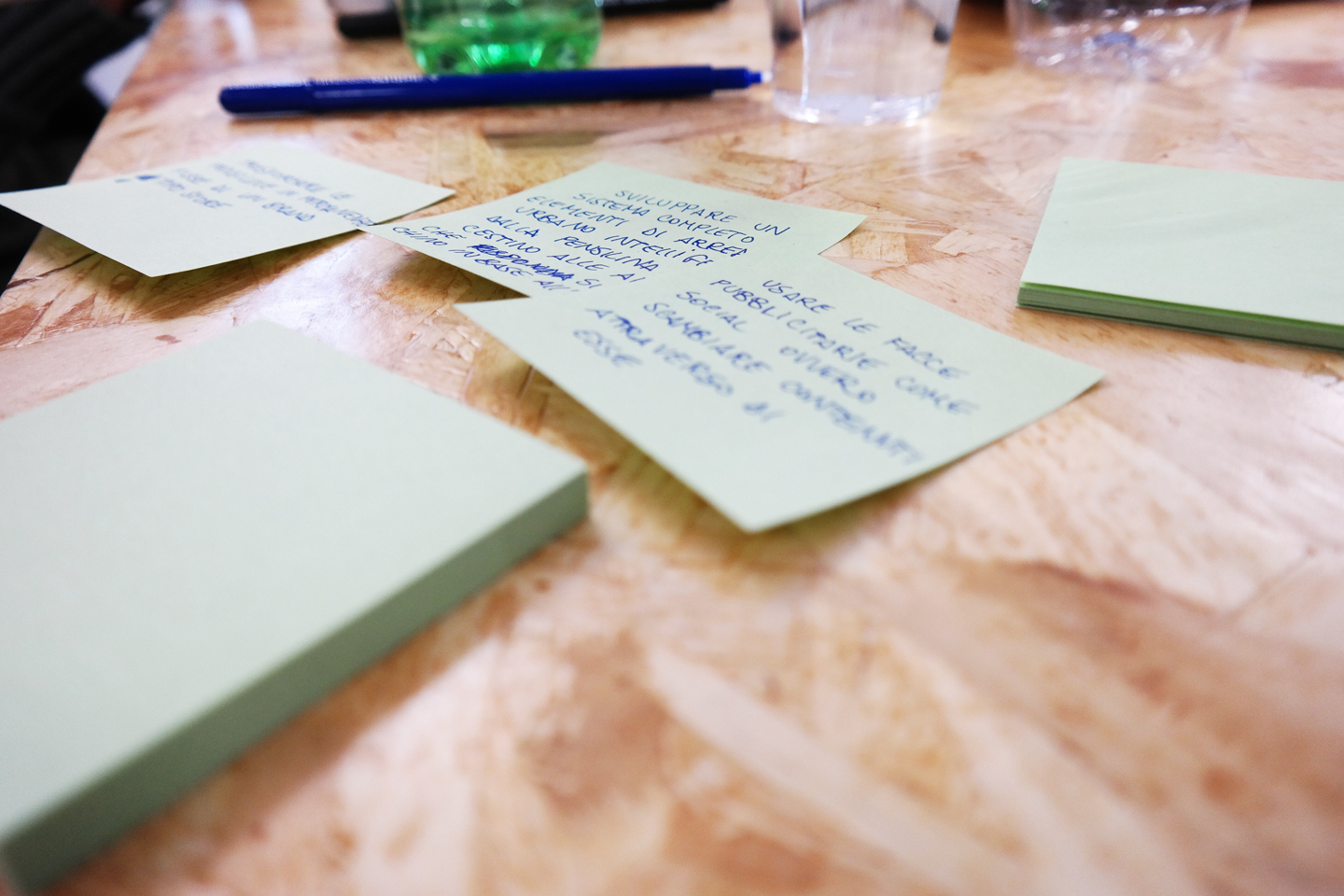
#3 Ideas generation
Generate ideas, starting from the insights and considering: stakeholders, emotions and senses, data and services, locations, technologies and behaviors.
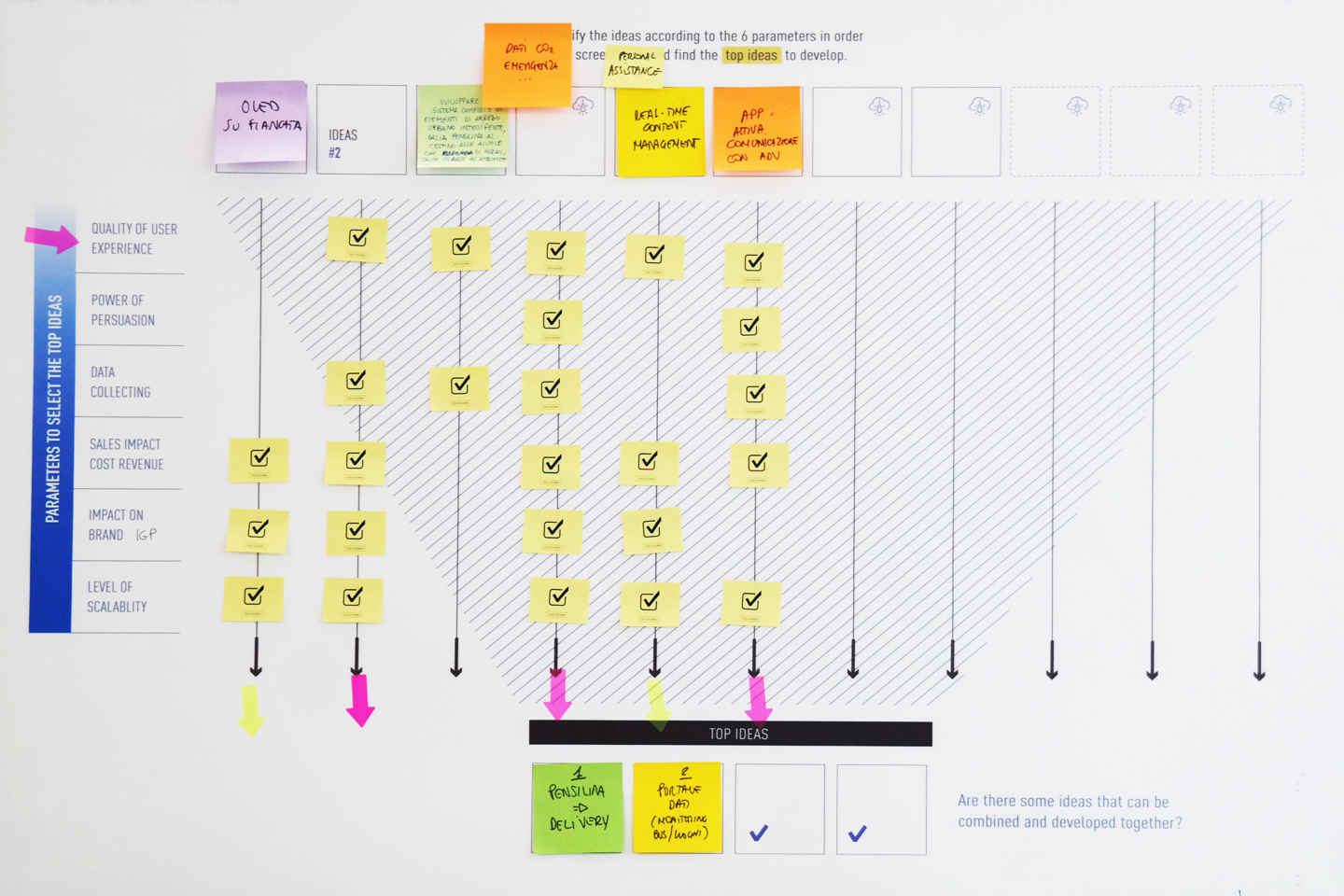
#4 Idea screening
Select the ideas that the teams will expand upon in the concept design phase, according to the six parameters we have defined.
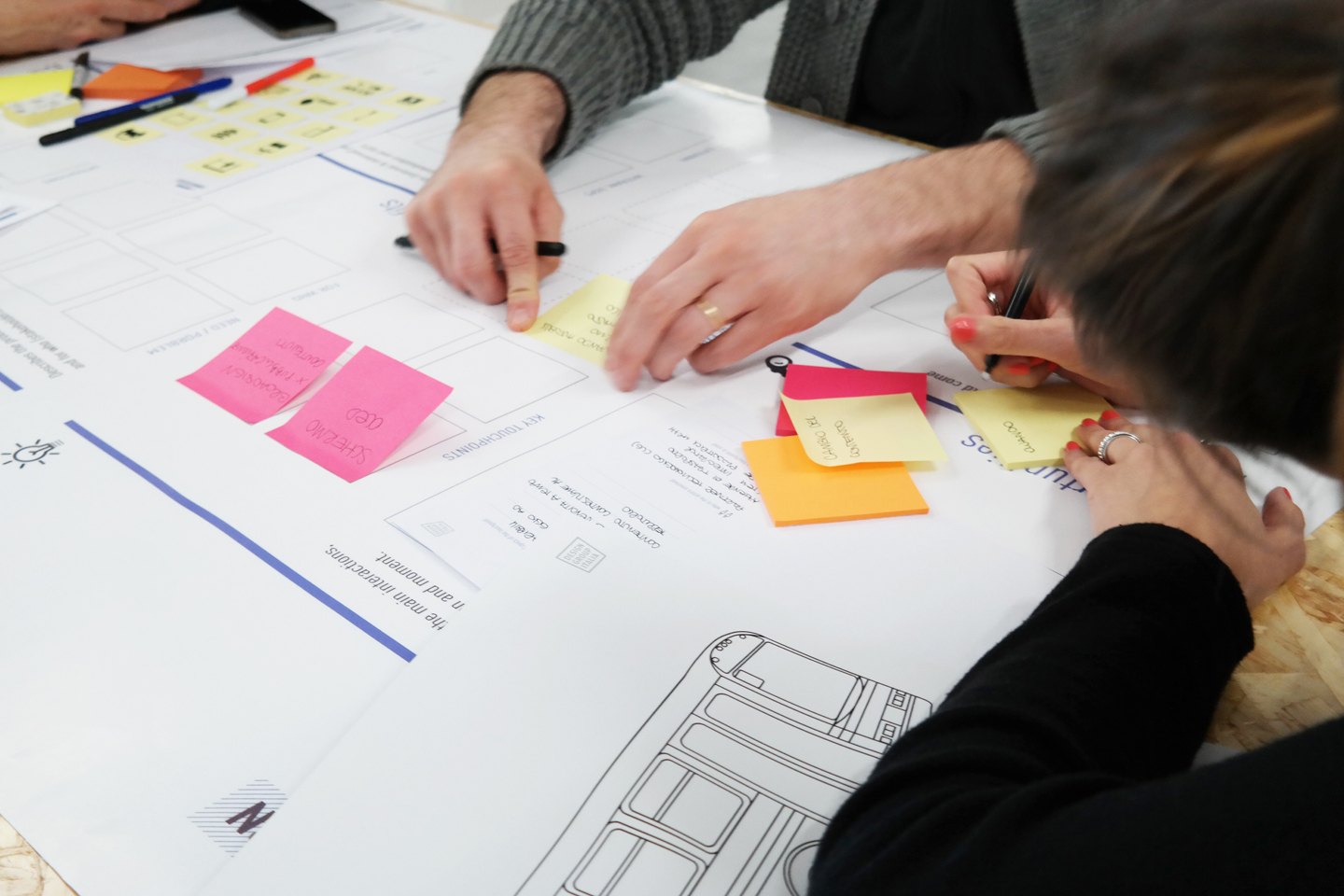
#5 Concept design
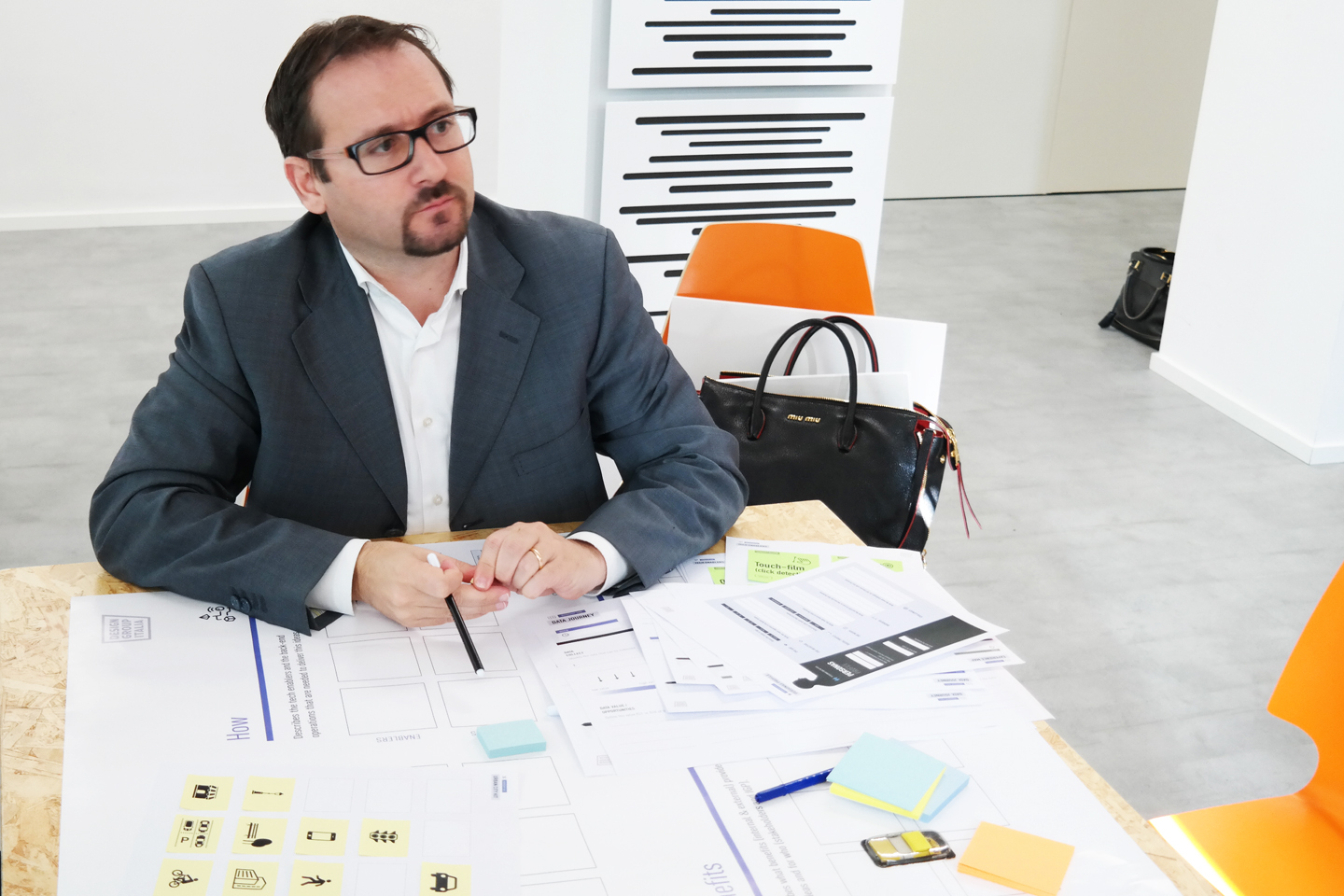
The objective is to define: the actors evolved, the experience, the touchpoints and the type of interaction, the problem the ideas solves, the benefits it could provide, the opportunities and the data that can be collected.
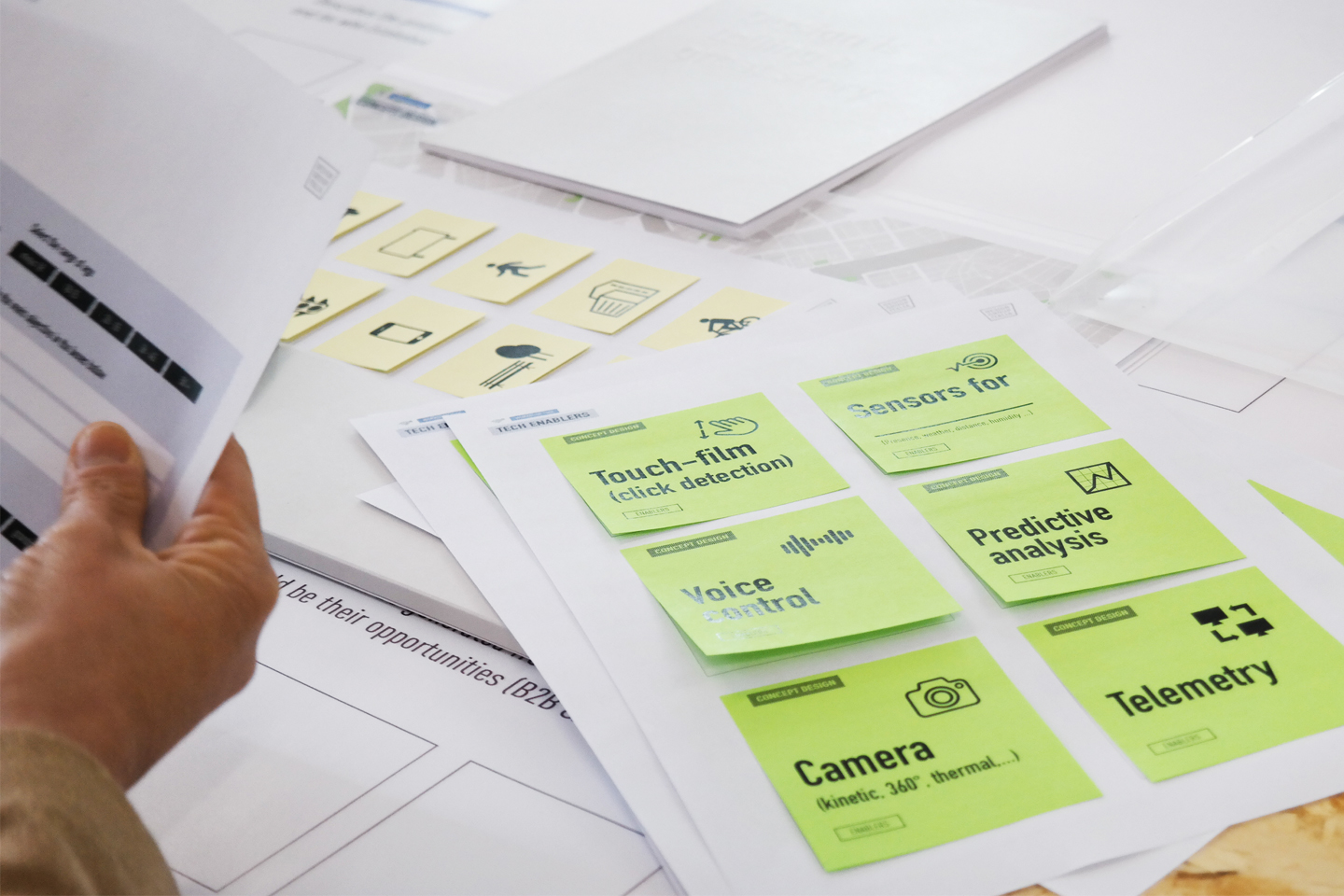
Additional tools used
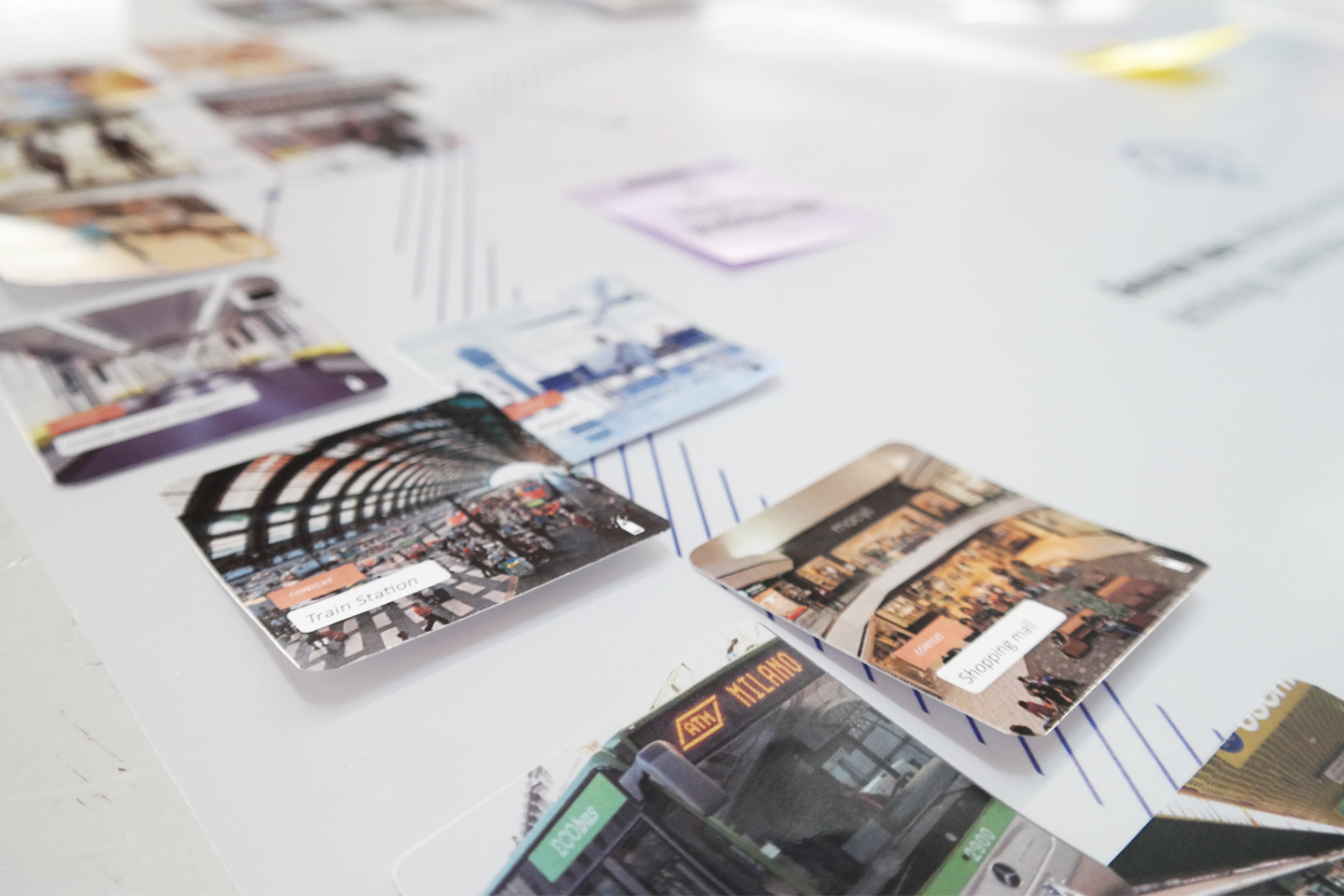
Personas, Concept design board, Experience map, Data Journey, Tech cards, and Urban city kit
Conclusion
We have selected three key ideas to expand upon via concept design:

Smart Delivery Shelter
Ten shelters in strategic transit points in Milan to manage the delivery of “Airbnb” home keys though your smartphone a virtual code. By installing urban furniture, we create a system with associated, distributed services.

Digital Bus
A smart OLED panel to apply on the left side of the bus that shows dynamic messages related to the neighborhood that change at each bus stop. In this case, from a product evolution, we start thinking on new business model based on time (advertising at the right moment in the right place).

Data Platform
A phygital platform that collects real-time data from different physical assets (shelters, metro, bus, tram, airport, etc.) to have a better understanding of the territory, of the consumers behaviour and to sell those data to other businesses (B2B).


DGI team

Leandro Agro'
Digital Design Director

Gianandrea Giacoma
Design Research Director

Loris Bottello
Interaction Designer

Stefania Berselli
Service Designer

IGPDecaux Workshop
© 2016 Design Group Italia + IGPDecaux