Helping Telekom Malaysia focus on its future vision using design methodology

Sharing a user-centered approach and tools to define new business opportunities.

Setting a common vision and language about smart cities.

Defining an innovation roadmap and selecting the first service to be designed.

Collecting relevant insights for the design phase.
Moments
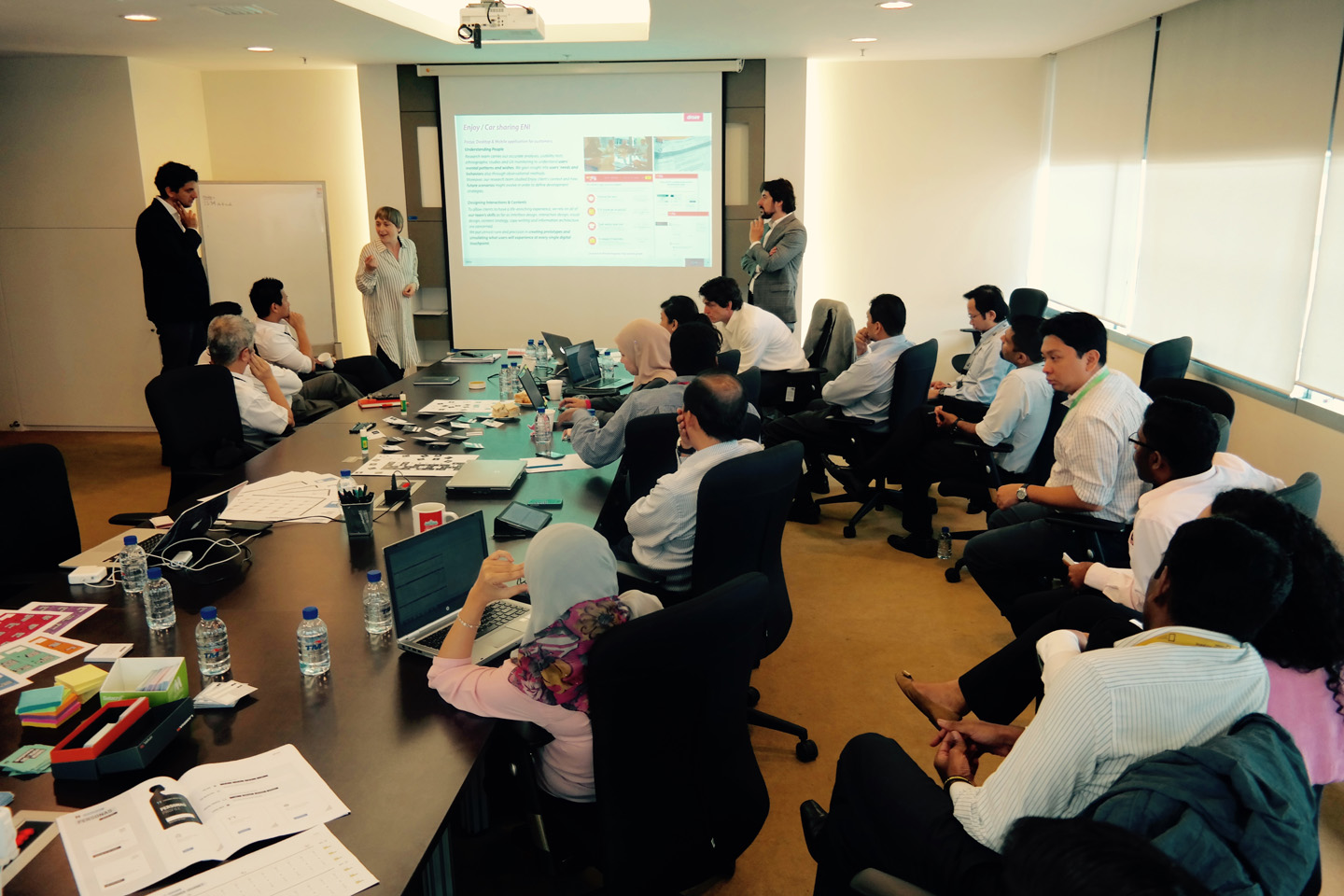
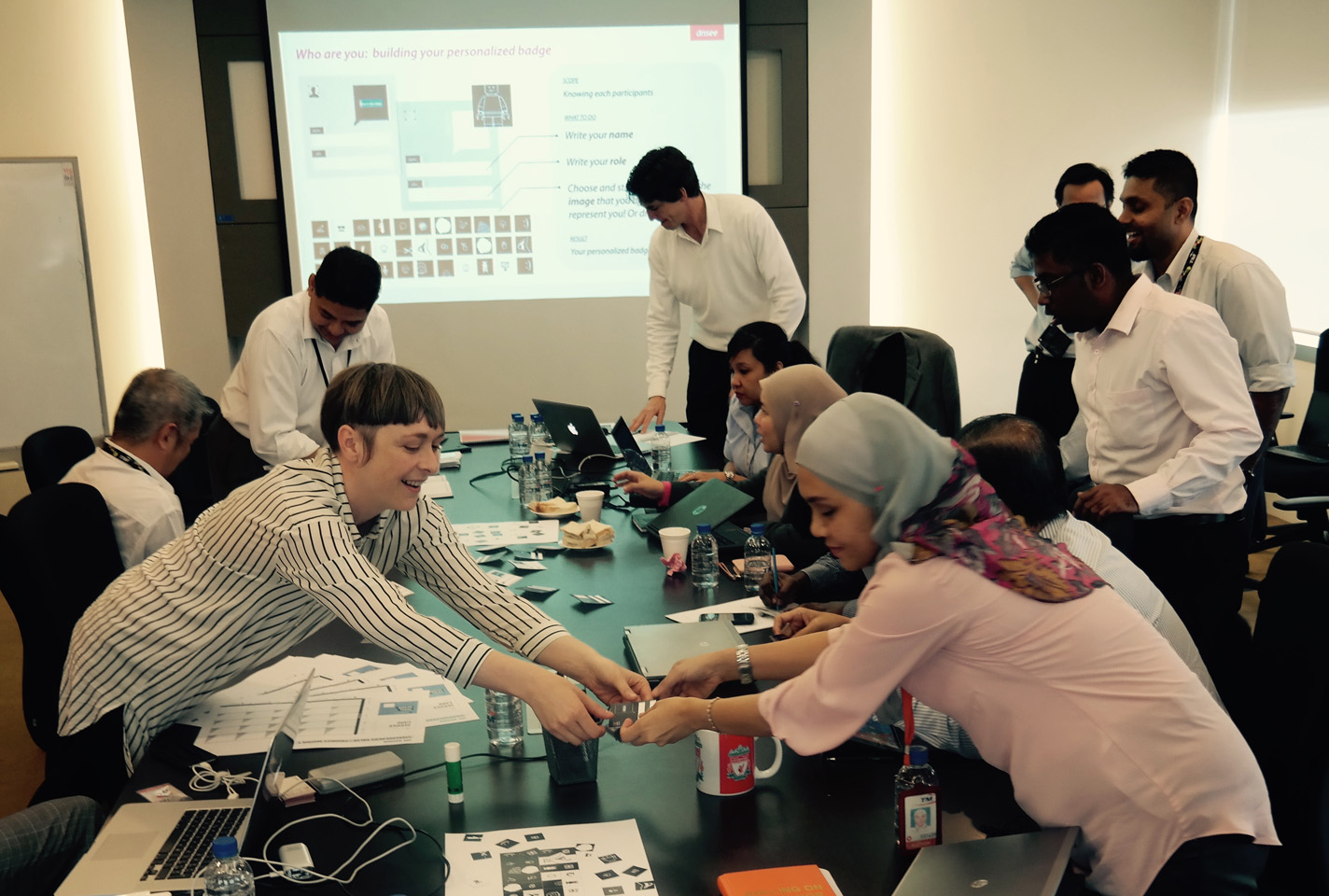
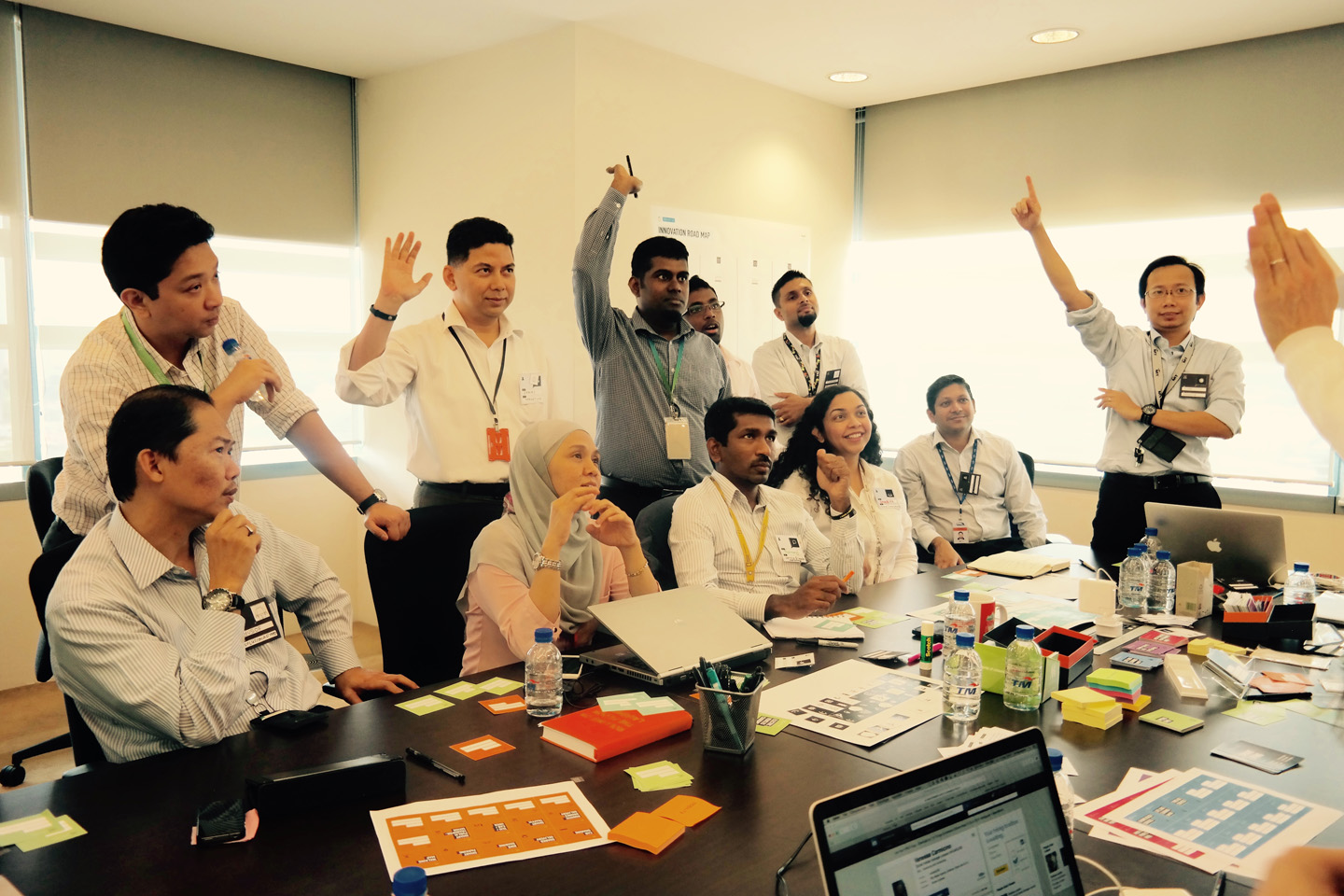
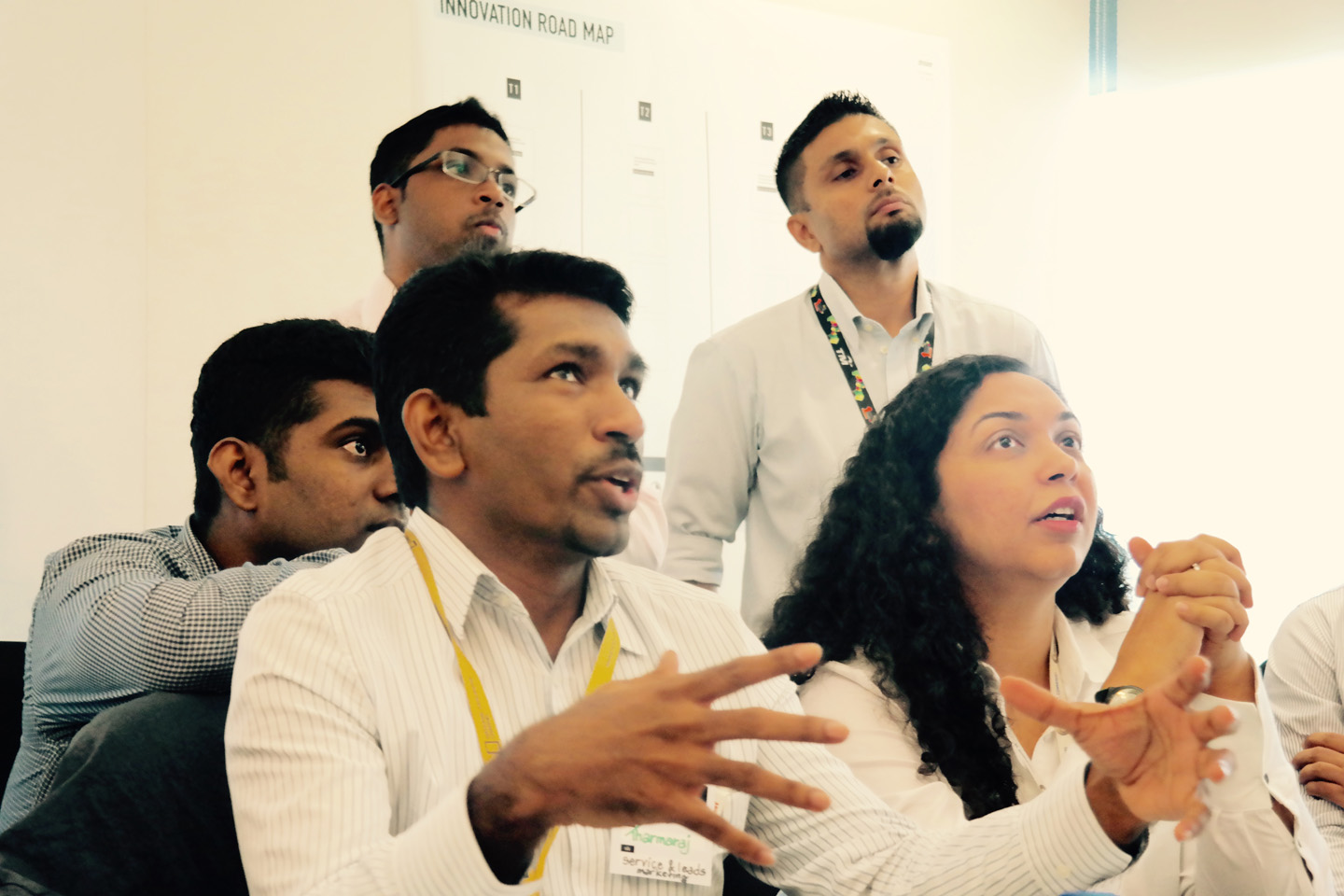
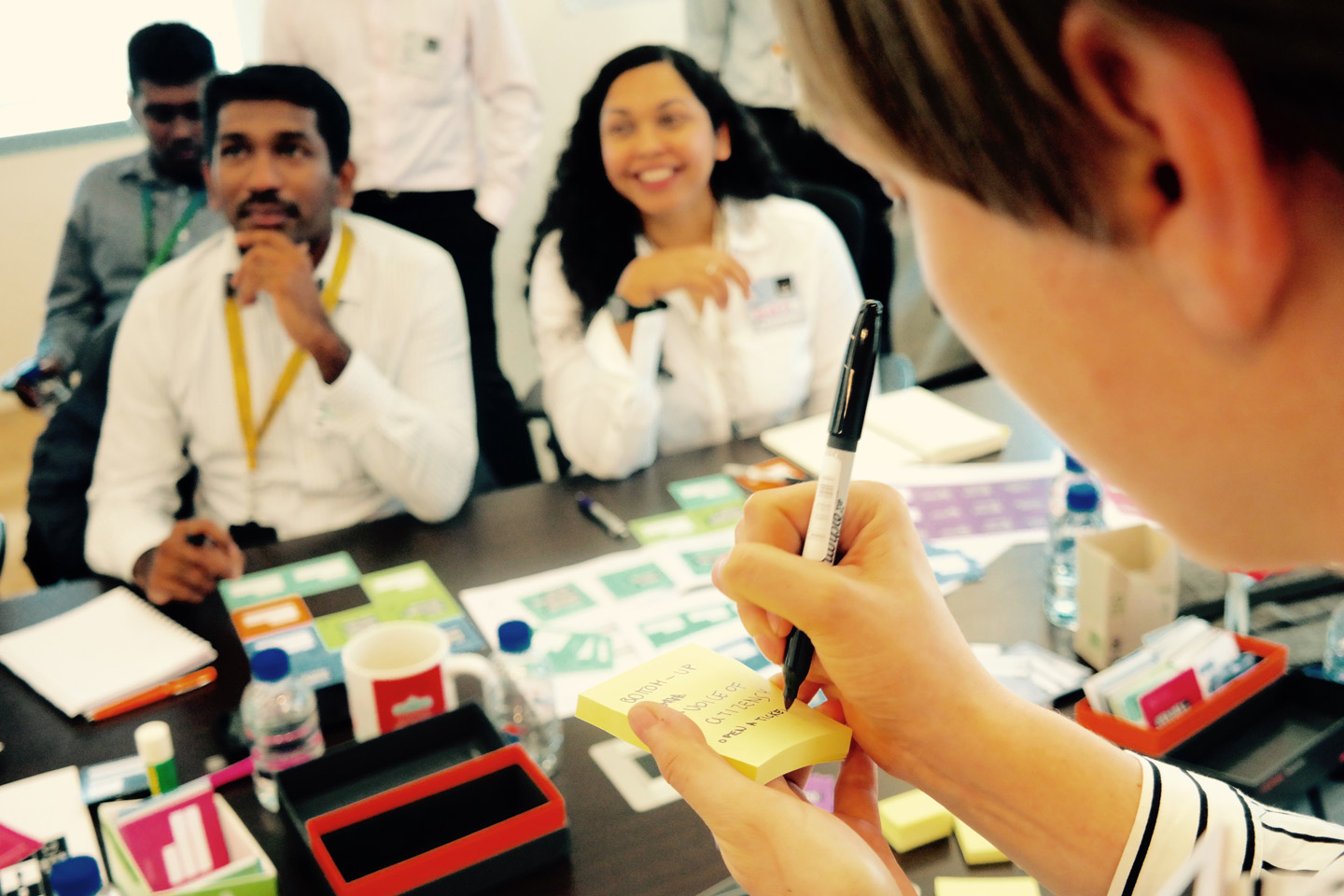
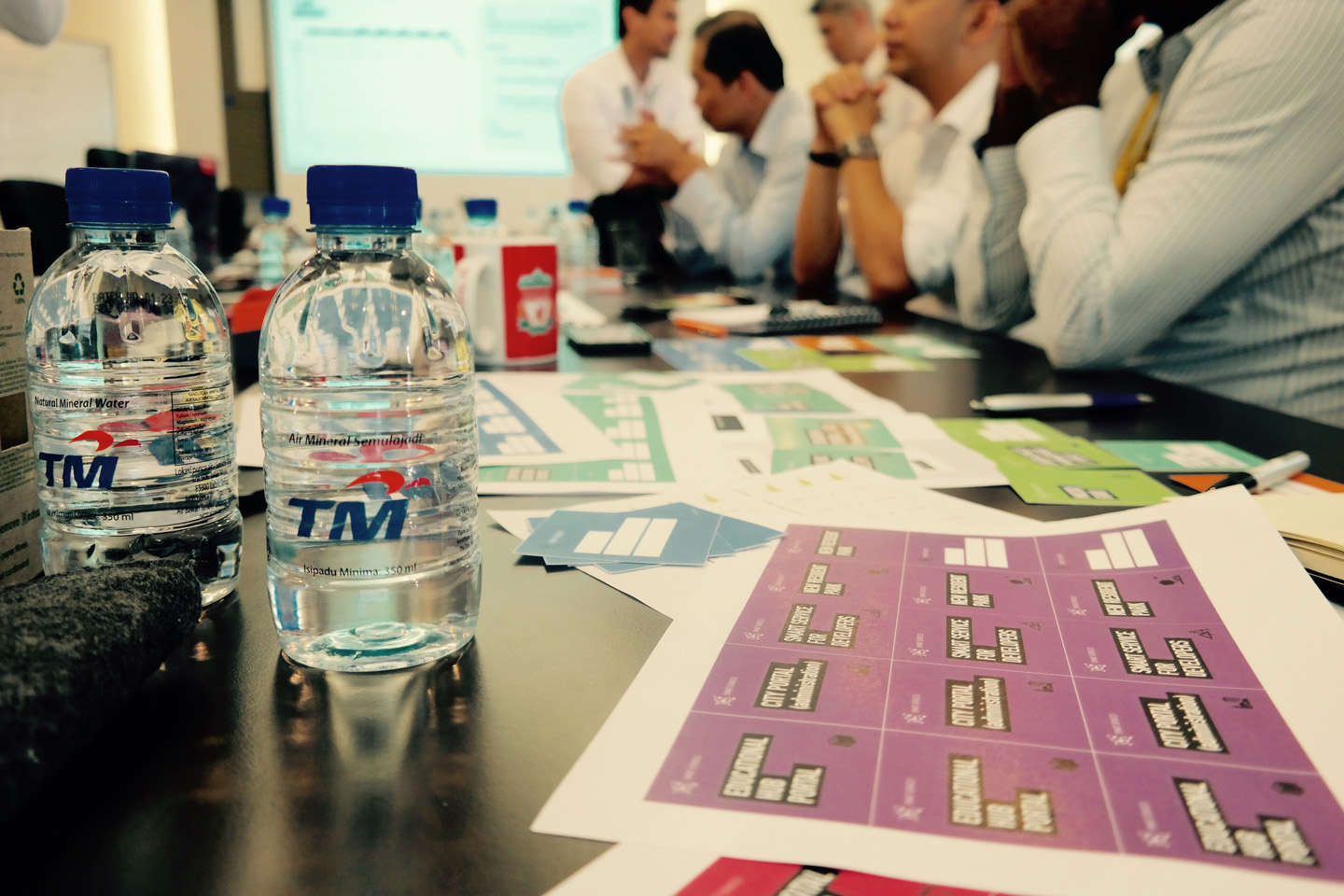
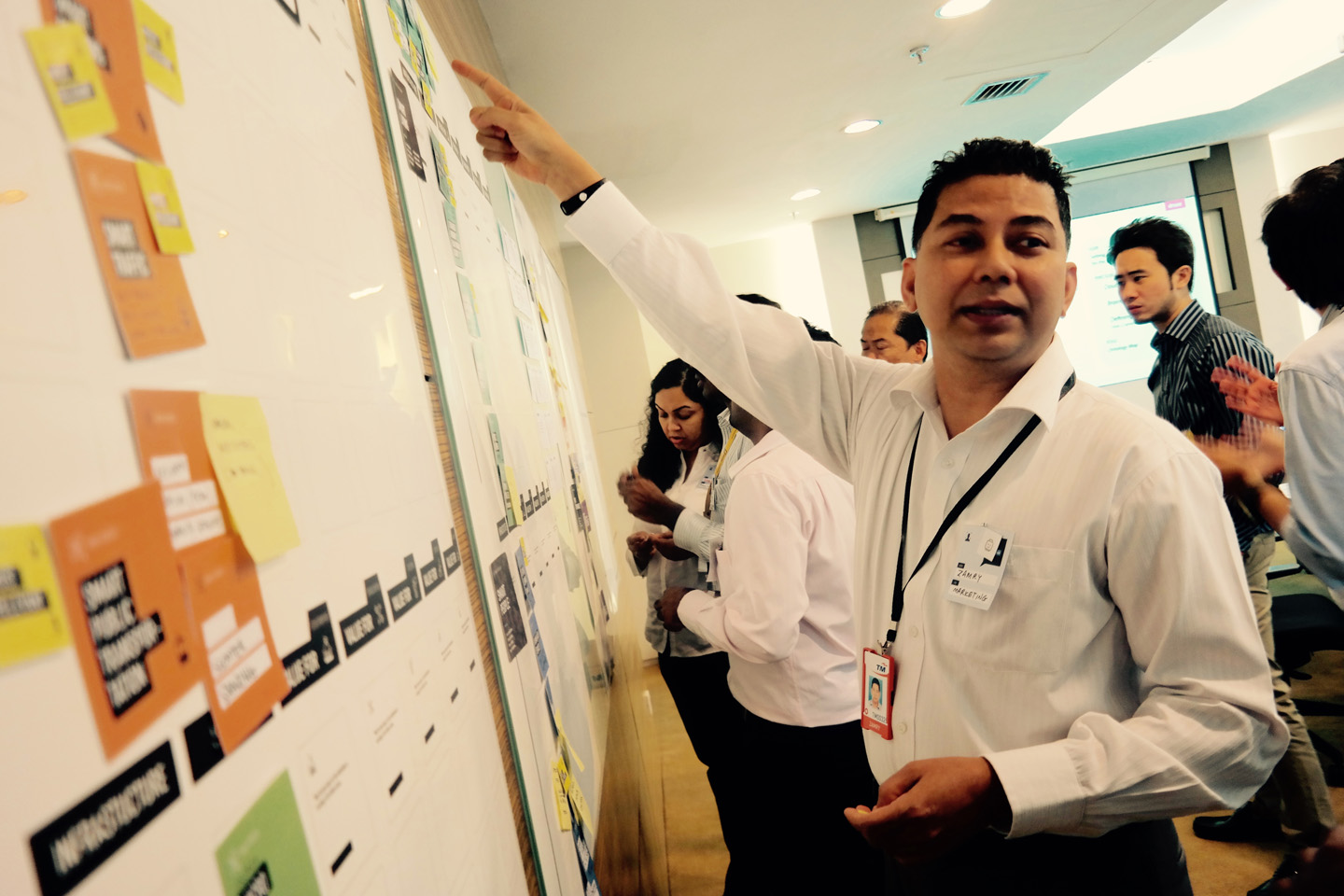
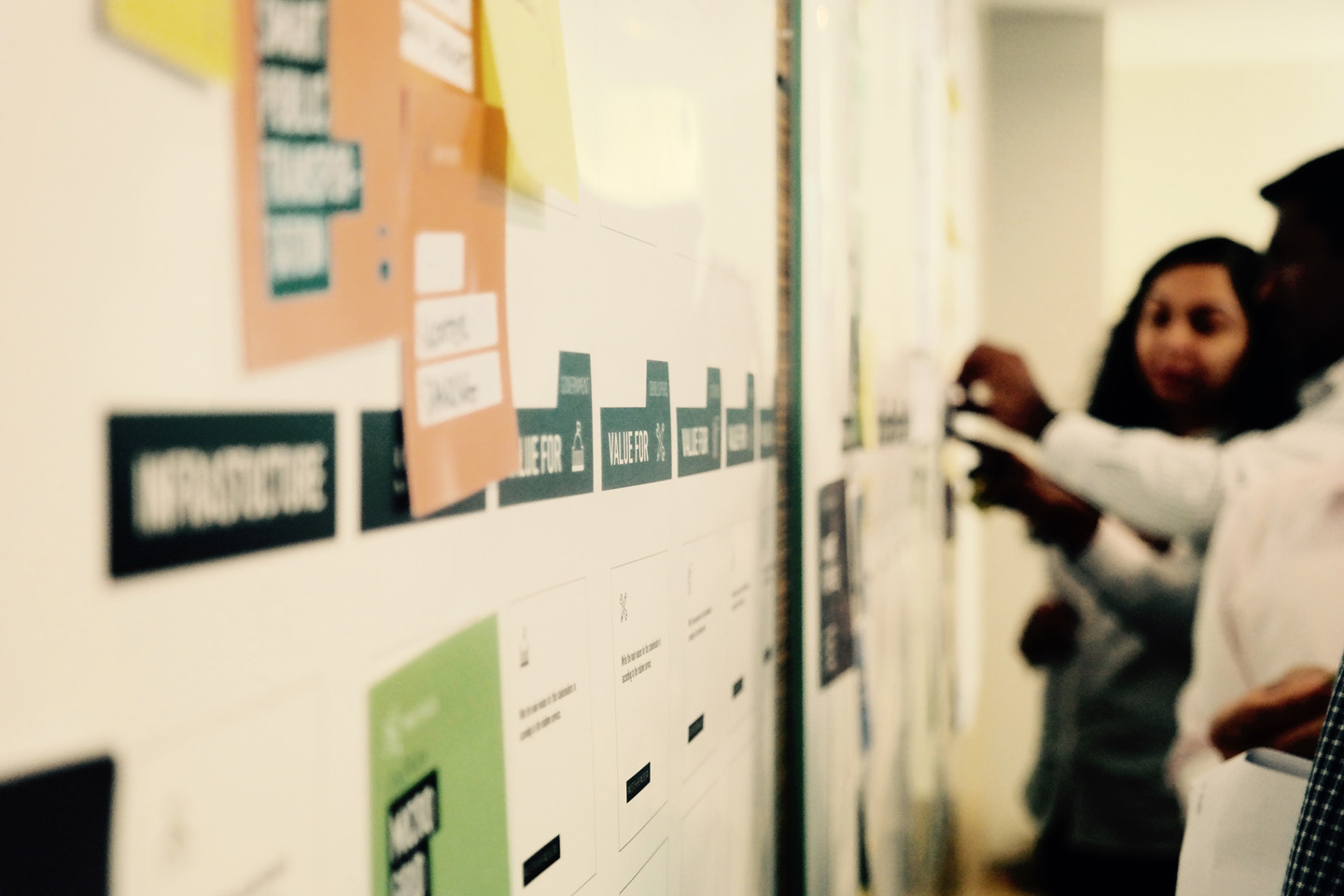
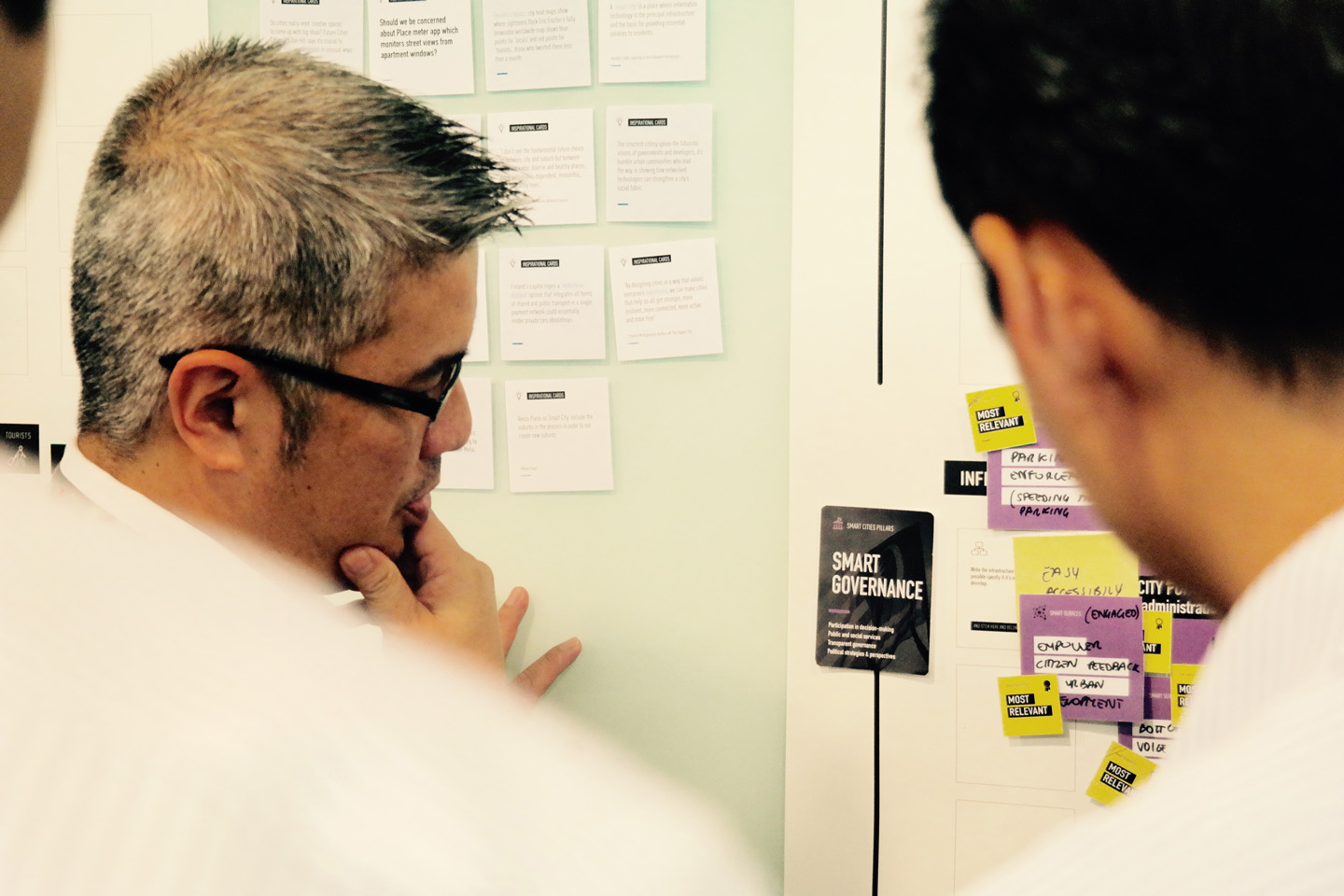
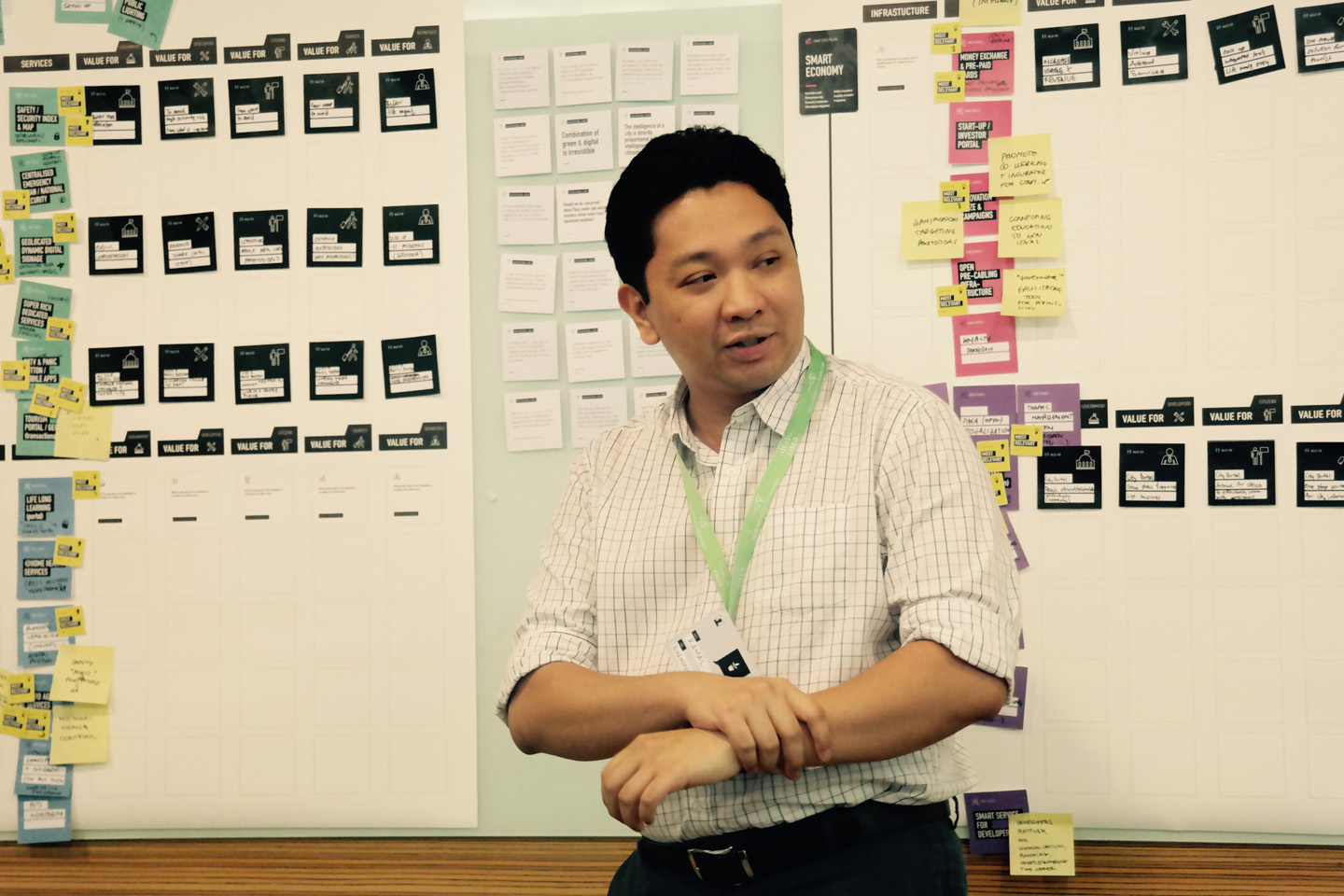
Together we collaborated, discussed, and learned to see the world through the eyes of our users.
631
Post-its
62
Water Bottles
~20
Attendees
12
Tools
Three days in the world of design!
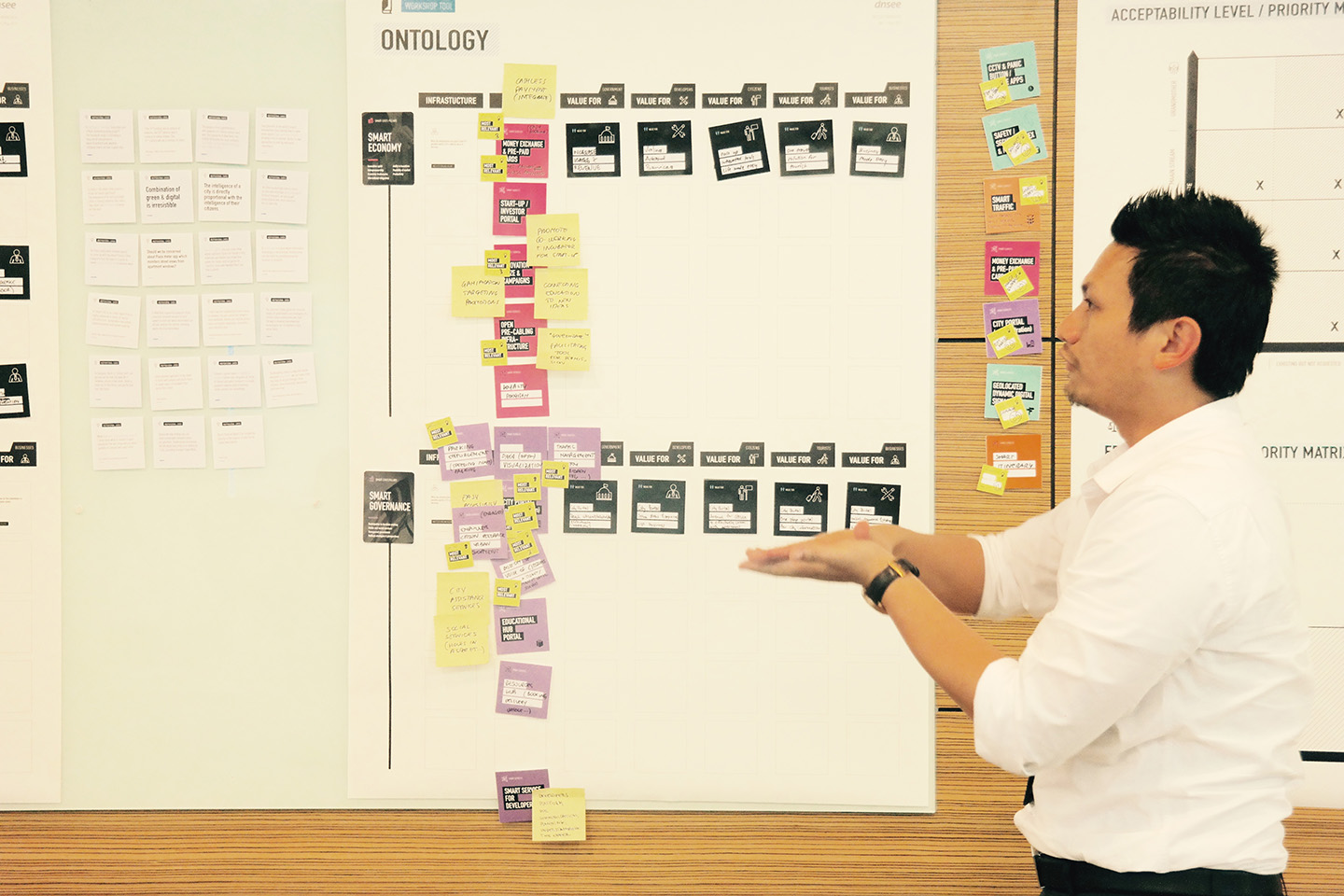
Day 1: What is Service Design?
Introduction to Service Design Methodology and Tools
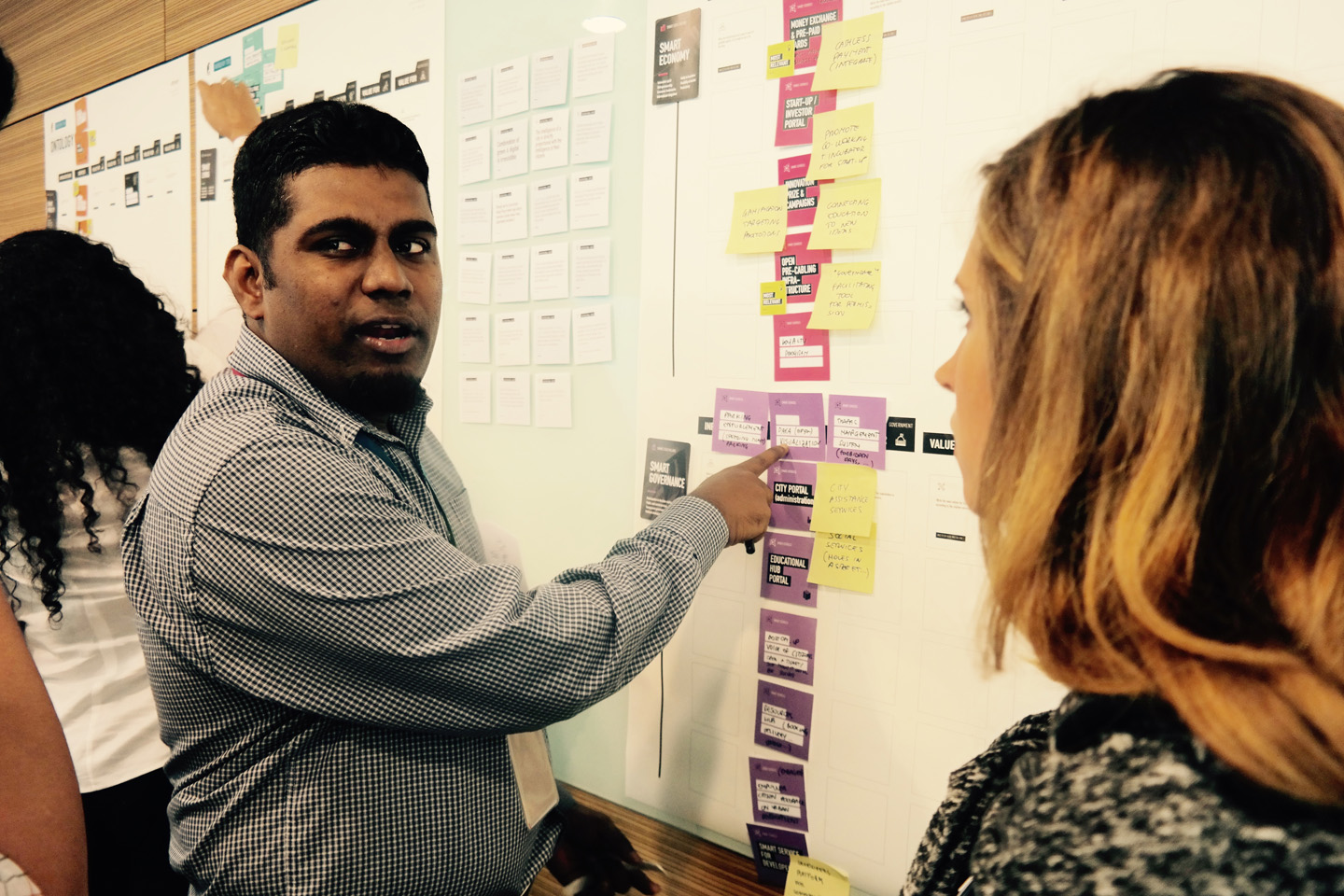
The first day was used to explain Service Design methodology and tools, to build the Smart City Ontology, ideate potential services connected to the related areas, then prioritize them. In this wa, we helped Telekom Malaysia to move from a tech-centric approach to a user-centric one, considering how to transform their tech portfolio and offering into potential value-driven services. To conclude Day 1, we set priorities for emerging ideas using impact/effort variables.
Day 2: Strategy Design
Understand the Client's Vision
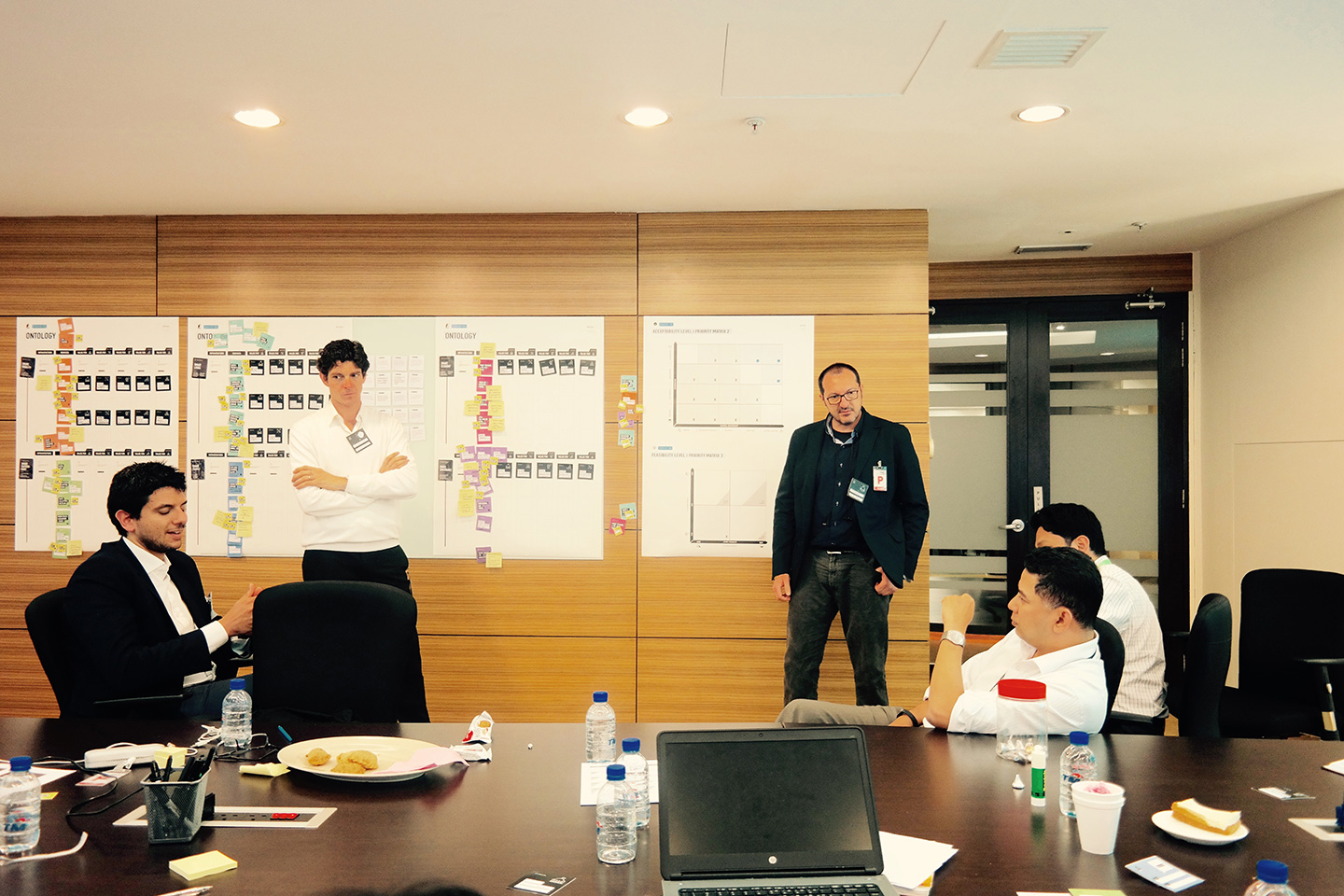
During the second day, we conducted several business interviews to offer our support in terms of strategic design and initial field analysis to evaluate the context. In this way, we better understood our client, their vision, their limits and opportunities, thus allowing us to best organize consultancy support to build up a great strategy.
Day 3: Personas and Journeys
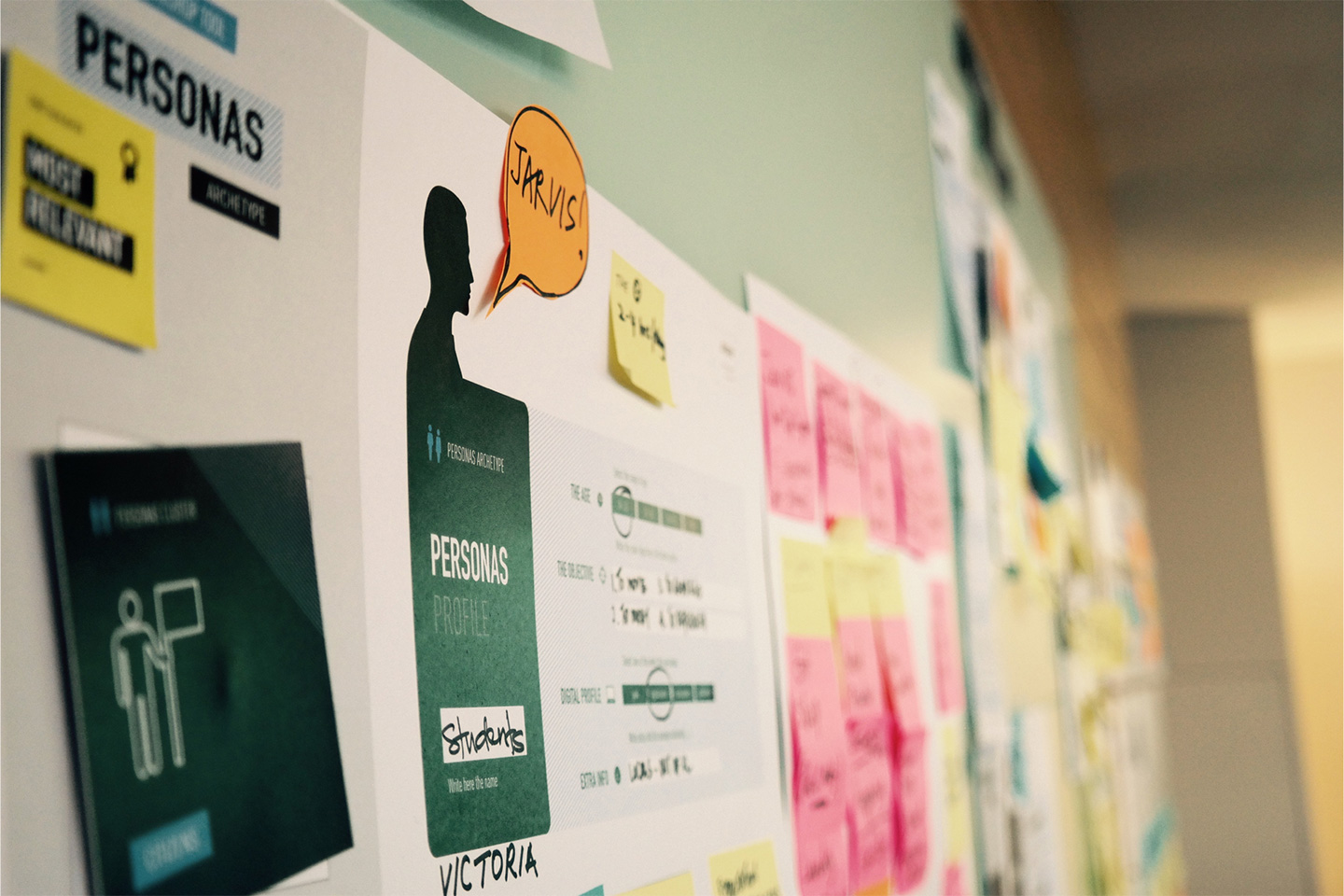
Introducing Victoria, our First Persona Made Together
The third day was used to co-create personas and journeys related to the first priority service, also underlining the limits and the opportunities, as related to the data collection that came from the ideas. We helped Telekom Malaysia to put themselves in their customers’ shoes, understanding the possible barriers, needs and motivation to use their service.
Activities and Tools
The Service Design tools were selected to define a hierarchy of their portfolio, identify the top smart services, and evaluate their value for the users and the supplier.
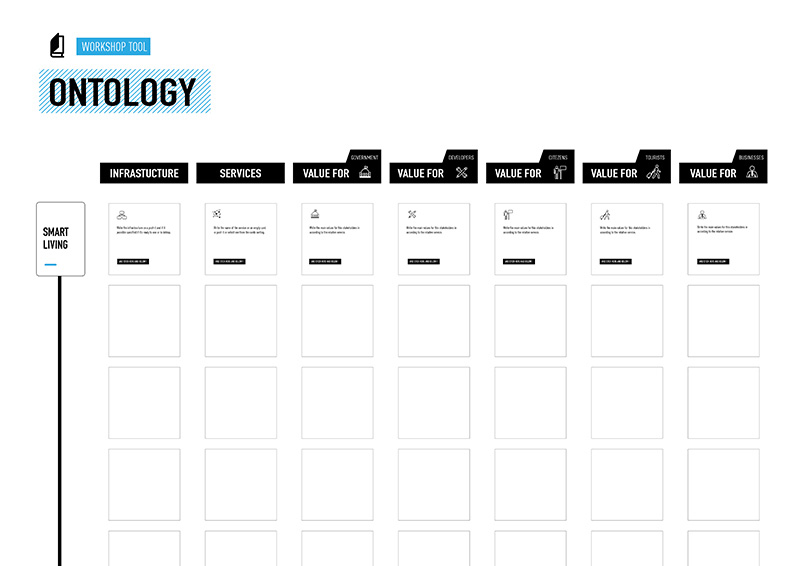
Ontology Map
Setting a common language and structure for the smart city’s services portfolio.
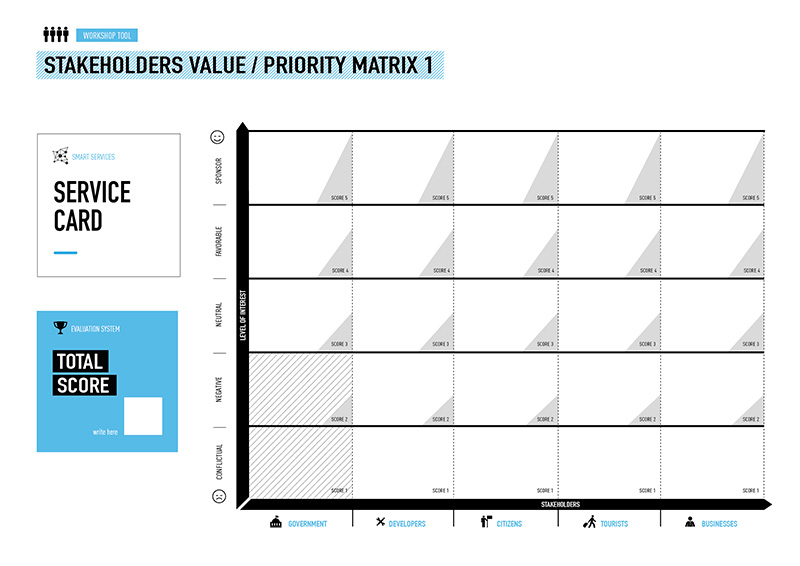
Priority Matrix / Stakeholders Value
Evaluate the level of interest of each service for each stakeholder.
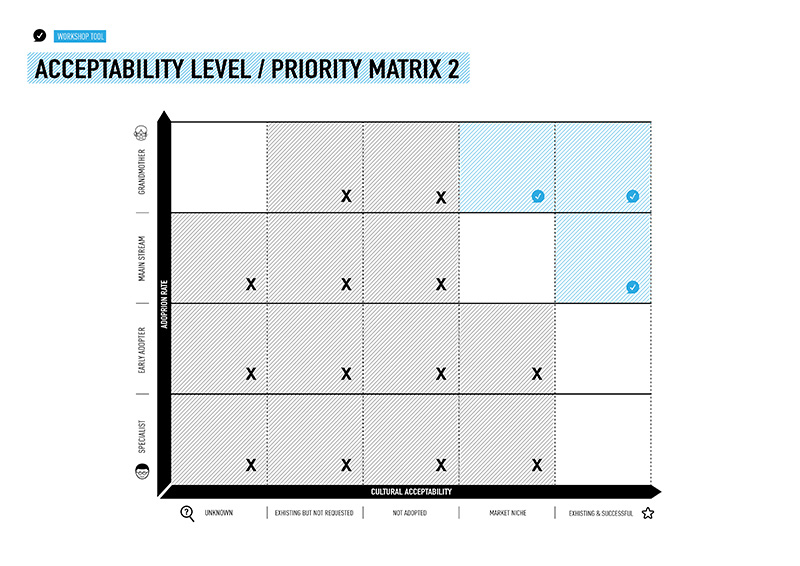
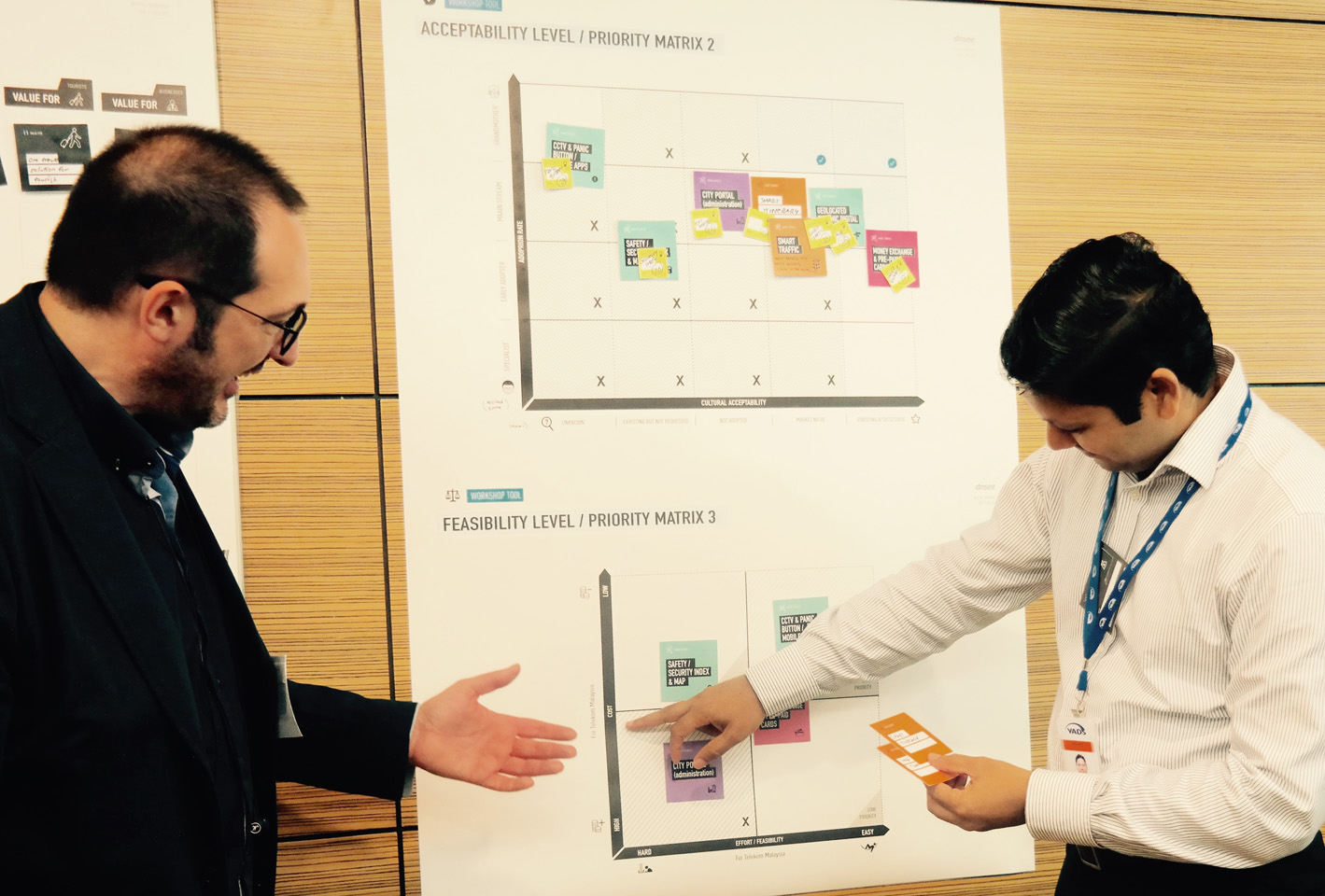
Priority Matrix / Acceptability Level
Evaluate the level of cultural support in term of acceptability and adoption.
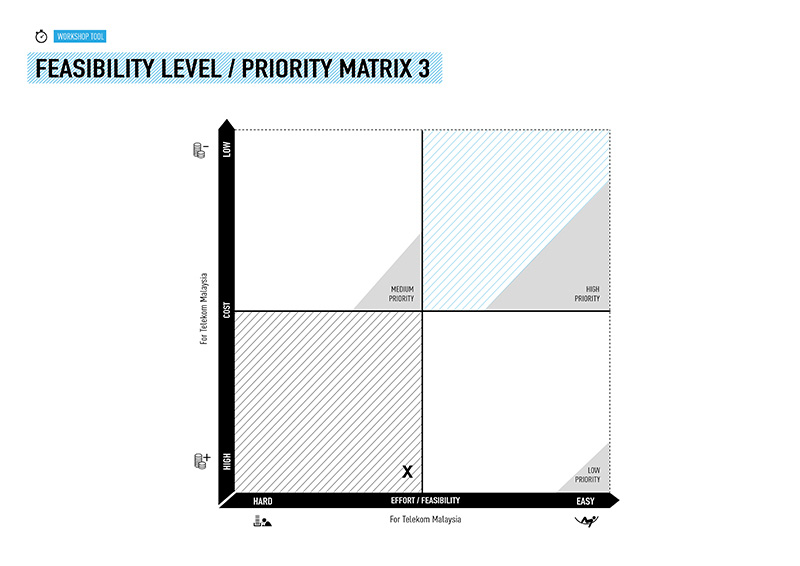
Priority Matrix / Feasibility Level
Given that all solutions are user-centric and acceptable, the last filter evaluated from the cost / feasibility prospective.
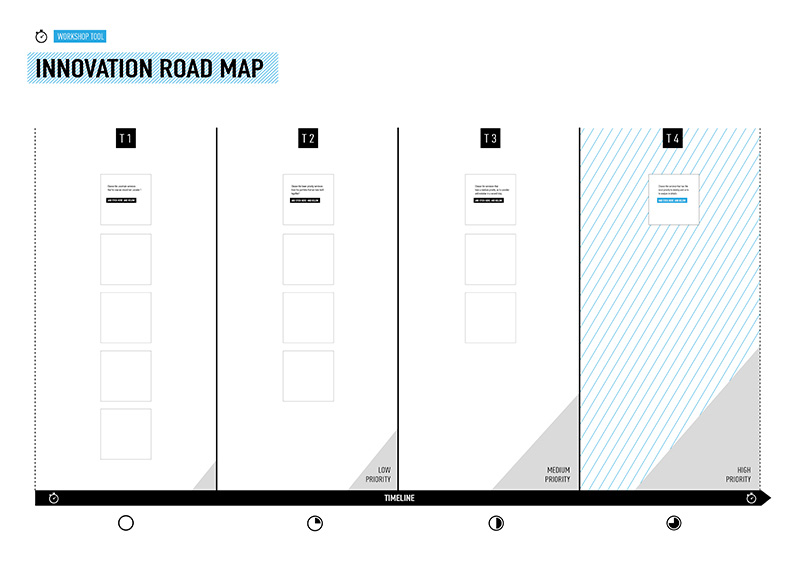
Innovation Roadmap
Summarize the prioritization activity to build the innovation roadmap.

DGI team

Leandro Agro'
Digital Design Director

Christopher Shutte
Experiential Spaces Director

Stefania Berselli
Service Designer

Telekom Malaysia Workshop
© 2015 Design Group Italia + Telekom Malaysia